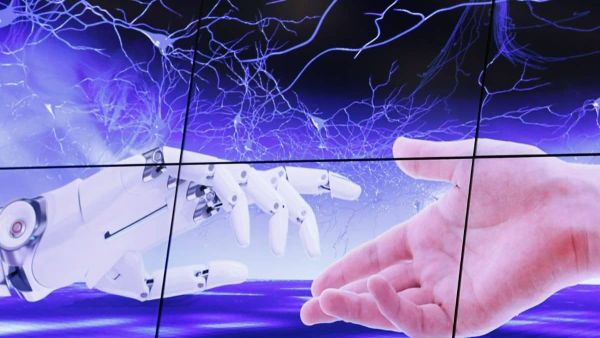
Customer experience is being rapidly reshaped by artificial intelligence. From instant chatbots to predictive support systems, AI enables brands to respond faster, resolve issues at scale, and anticipate customer needs with greater accuracy. For businesses, this means lower turnaround times and improved operational efficiency.
But speed alone is not experience.
While AI handles structured queries and repetitive concerns effectively, customer interactions are rarely just functional. A faulty product, a delayed delivery, or a service issue often carries urgency and frustration. In such moments, a fully automated response can feel impersonal and inadequate.
The most effective customer experience models today are hybrid.
AI should serve as the first layer. It can filter queries, categorise issues, and resolve simple concerns quickly. It can also identify patterns, prioritise urgent cases, and ensure faster routing. This reduces wait times and allows systems to operate more efficiently.
However, once an issue involves complexity, nuance, or emotional context, human intervention becomes essential.
At truTRTL, customer experience is built on this balance. Technology is used to streamline support across channels like phone, email, website, and WhatsApp, ensuring that every query is captured and routed efficiently. But the final resolution is driven by human teams who understand the context behind each concern. This ensures that issues are not just closed, but resolved in a way that builds trust.
A trained support executive brings judgment, flexibility, and empathy that no system can fully replicate. They can interpret situations, address exceptions, and reassure customers in a way that feels genuine.
For brands, the goal should not be to replace human interaction, but to enhance it. AI should improve efficiency, while people ensure accountability and connection.
Because in the end, customers may appreciate how fast you respond. But they remember how you treat them.