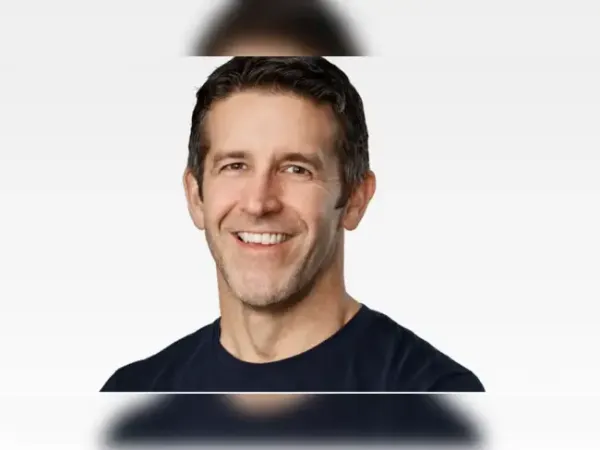
Apple's appointment of longtime hardware chief John Ternus as CEO signals a renewed emphasis on its core strength in devices and focus on fusing AI capabilities into existing products to sustain growth, analysts said.
Ternus, a 25-year veteran who has overseen development of key products including multiple iPhone generations, will take the helm in September, succeeding Tim Cook after more than a decade of strong growth that saw Apple's market value swell to around $4 trillion.
While Apple has faced investor concerns over the pace of its generative AI rollout and ceded its position as the world's most valuable company to Nvidia, Wall Street analysts said the leadership change shows that its existing hardware ecosystem remains central to its growth story.
"The market will take comfort from the fact that the incoming chief executive has been running Apple's hardware business, still the engine room of the group. This signals continuity rather than a strategic pivot," said Ben Barringer, head of technology research at Quilter Cheviot.
OpenAI is exploring an AI-first hardware device with former Apple design chief Jony Ive, a move that could pose a long-term threat by challenging the iPhone-centric ecosystem underpinning Apple's growth.
Apple's shares have risen roughly 20-fold during Cook's tenure, supported not only by the iPhone but also by steady services growth and incremental upgrades across its product lineup, a model analysts expect to remain under Ternus.
Incoming CEO's resume "screams integrated hardware & software & silicon, which is Apple's competency, but it doesn't map to "new AI-first category device", said Ryan Shrout, President of data analytics firm Signal 65.
"Apple's own press release on the succession didn't mention AI once."
That view suggests Apple's AI strategy is more likely to focus on embedding capabilities into existing devices rather than hinging on a single transformative product - even as competition intensifies and pressure builds to accelerate innovation.
For now, investors appear reassured that Apple is not abandoning the formula that has been the basis of its success - betting instead that its vast base of customers, hardware expertise and incremental innovation would continue to drive growth, even without a new AI-centric device.
"His appointment signals that Apple's board wants to reclaim the company's reputation as a great product company, not necessarily announce a pivot to any specific device category," said Daniel Binns, Global CEO at consulting firm Elmwood.
"The 'AI-first device' narrative is seductive, but premature."
Ternus, a 25-year veteran who has overseen development of key products including multiple iPhone generations, will take the helm in September, succeeding Tim Cook after more than a decade of strong growth that saw Apple's market value swell to around $4 trillion.
While Apple has faced investor concerns over the pace of its generative AI rollout and ceded its position as the world's most valuable company to Nvidia, Wall Street analysts said the leadership change shows that its existing hardware ecosystem remains central to its growth story.
"The market will take comfort from the fact that the incoming chief executive has been running Apple's hardware business, still the engine room of the group. This signals continuity rather than a strategic pivot," said Ben Barringer, head of technology research at Quilter Cheviot.
OpenAI is exploring an AI-first hardware device with former Apple design chief Jony Ive, a move that could pose a long-term threat by challenging the iPhone-centric ecosystem underpinning Apple's growth.
Apple's shares have risen roughly 20-fold during Cook's tenure, supported not only by the iPhone but also by steady services growth and incremental upgrades across its product lineup, a model analysts expect to remain under Ternus.
Incoming CEO's resume "screams integrated hardware & software & silicon, which is Apple's competency, but it doesn't map to "new AI-first category device", said Ryan Shrout, President of data analytics firm Signal 65.
"Apple's own press release on the succession didn't mention AI once."
That view suggests Apple's AI strategy is more likely to focus on embedding capabilities into existing devices rather than hinging on a single transformative product - even as competition intensifies and pressure builds to accelerate innovation.
For now, investors appear reassured that Apple is not abandoning the formula that has been the basis of its success - betting instead that its vast base of customers, hardware expertise and incremental innovation would continue to drive growth, even without a new AI-centric device.
"His appointment signals that Apple's board wants to reclaim the company's reputation as a great product company, not necessarily announce a pivot to any specific device category," said Daniel Binns, Global CEO at consulting firm Elmwood.
"The 'AI-first device' narrative is seductive, but premature."