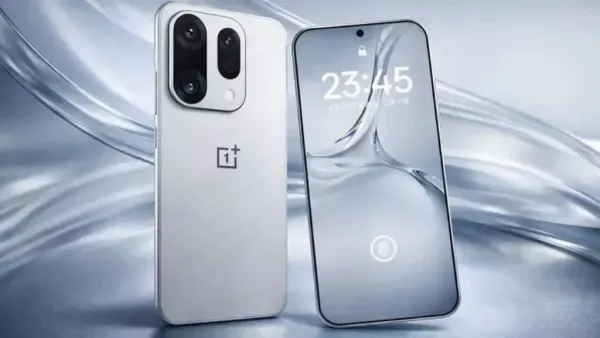
Rumors encompassing the upcoming OnePlus 16 suggest that the company is pioneering a massive leap in its soon-to-launch smartphone. Multiple sources are forecasting that the device might feature an ultra-high refresh rate of up to 240 Hz, setting a new industry record that surpasses most of its current competitors. Coupled with visual refinements, the device is highly anticipated to bring reforms in its design, performance, and overall user experience. We are still awaiting confirmation from official sources,s but all signs point to a major upgrade for the brand nonetheless.
The headline feature of the OnePlus 16 is undoubtedly its display. It has been rumored to feature a 6.78-inch BOE LTPO OLED panel with a 1.5K resolution, upholding the brand’s reputation for providing elite, industry-leading screens. What sets the OnePlus 16 version apart is the alleged increase to 240 Hz refresh rate, surpassing anything available from OnePlus or the wider market.
Leaks suggest that the device may start at a lower refresh rate and dynamically adjust based on the usage of the user, perhaps beginning around 185 Hz and scaling up to 240 Hz. This would underscore a substantial jump from the previous model of the OnePlus 15, which possessed a refresh rate of 165 Hz, therefore, indicating the company’s reliable upward trajectory in display technology.
Also, the screen may be using LIPO packaging technology, reportedly around 1mm on all sides. This feature may contribute to an overall immersive visual experience.
Alongside the display, the brand is also focusing heavily on the smartphone’s performance. It is expected to be powered by Qualcomm’s upcoming Snapdragon 8 Elite Gen 6 Pro chipset, which is one of the most advanced processors available in the current market.
This chipset is expected to be paired with new-age LPDDR6 RAM, elevating the gadget’s threshold for fluid multitasking and elite gaming requirements. This combination could easily place this device in the ultra- premium segment, where it would be able to compete with other top-tier, premium smartphones. Insider information also alludes to improvements in touch response and overall display fluidity, enhancing fast-paced gameplay experiences such that this device is optimized for this purpose.
In terms of the design of the device, reports imply that it is a flat display with ultra-thin frames, contributing to a modern and minimal yet aesthetic look. There is a focus on chromatic precision alongside rich, vivid tones, bringing visuals to life with pinpoint accuracy since the device supports advanced color standards such as BT.2020 gamut.
Sources mention a certain custom touch control integrated circuit (IC), resulting in highly smooth navigation and a more connected, instantaneous feel during use.
Although taking a backseat to the other major reveals, other expected features include refined camera hardware and a significantly massive battery, whose details are relatively inconsistent across the various reports.
If the details of these leaks are authentic, it would signify a new benchmark being set in the sphere of smartphone displays. A 240 Hz display would offer seamless scrolling, accurate animations, and exceptional gaming performance, though its day-to-day benefits may vary.
Higher refresh rates improve visual fluidity, though these high-end features come at the expense of battery endurance. As a result, the device may have to rely on adaptive refresh rate technology to balance performance along with efficiency.
The OnePlus 16 is, without a doubt, employing a highly ambitious strategy to secure a place in the current market using its goodwill, reliability, and supply of premium features. With a potential 240 Hz display, next-generation chipset, and exquisite design, the brand could be taking a leap towards ultra- premium territory.

It is important to remember that these are simply rumored benchmarks and have not been officially confirmed. As the expected launch window approaches in late 2026, this will be a highly awaited device that could rewrite expectations for smartphone display technology.