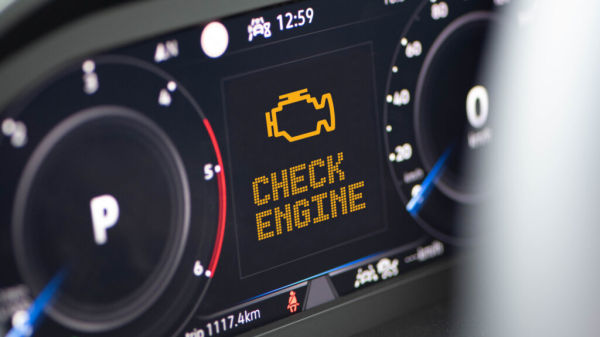
If the diesel engine in your vehicle suddenly decides not to play ball and loses power, or is restricted to a certain speed, then it’s possible that the engine has been derated. While this is undoubtedly inconvenient, this is actually a feature of modern diesel engines that’s designed to protect them.
Put simply, engine derating happens when engine sensors detect an issue with it. When this happens, the engine control unit initiates an intentional power drop. Importantly, this power reduction isn’t the failure, it’s a protective response designed to prevent damage or excess emissions. In short, although it probably doesn’t feel like it at the time, this system is there to help and can stop minor issues from becoming wallet-draining trips to the workshop.
The triggers for this can vary depending on the vehicle, but typically, it happens when engine sensors detect that it’s operating outside of its designed operating limits. High running temperatures are a common cause — excessive heat is never a good thing in engines. Modern engines can also derate in response to emission- issues. The latter can be caused by blocked diesel particulate filters, or even faults with the exhaust gas recirculation (EGR) valve.
So, while the loss of performance might feel like something’s gone wrong, the reality is that the system is working exactly as intended. Let’s have a closer look at the double-edged sword that’s both inconvenient, but potentially engine-saving.
What engine derating feels like behind the wheel
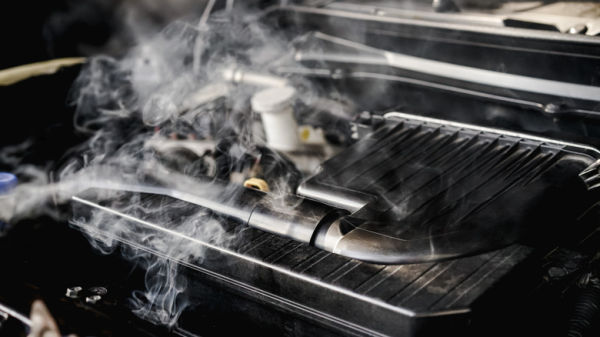
When an engine has been derated, the most obvious symptom is a noticeable drop in performance, often accompanied by the driver simultaneously experiencing a severe sinking feeling in the pit of their stomach. Acceleration might feel sluggish, with a muted throttle response, and engine revs and speed can also be restricted.
In some instances, the top speed can be restricted to as low as 5 mph. Essentially, this is a self-imposed limp mode that allows the vehicle to keep moving, but only enough to reach a safe location or a workshop. Depending on the particular engine and/or the severity of the issue, dashboard warning lights or messages may appear. Understanding what common dashboard warning lights mean can help you get an idea of what the underlying problem is.
This is important, as not all derating is equal. In some situations, the power reduction is intermittent and relatively mild. For instance, if the problem is temperature-, then the restriction may be lifted when the temperature normalizes. Of course, if this is a persistent problem, then a trip to the mechanic is probably wise. Even if the engine appears fine, there are plenty of ways that cars can lose coolant without a leak.
What is important to understand when the engine’s power is derated is that although the vehicle may be driveable, it isn’t happy. The reduced performance is there to tell you that things aren’t well under the hood — and how you respond to it is important.
What to do and what not to do when your engine derates

A derated engine might not always be an immediate emergency. For instance, if a temperature- derate occurs when the engine is operating under high loads and in high-ambient temperature situations, then it could be a one-off triggered by those operating conditions. This is especially true if the engine goes back to normal once the temperature normalizes.
However, if the problem is more persistent, or the vehicle has entered a restrictive limp mode, then this isn’t something that can be tucked away as next week’s problem. Continuing to drive the vehicle in these circumstances, especially over long distances, can turn a relatively minor issue into an expensive and sob-inducing one. Warning lights, repeated derating, any indications of low-oil pressure or persistent overheating should always be treated seriously.
It’s also worth noting that what a derate does to your vehicle’s performance today, might not be the case tomorrow. For instance, if the derate is linked to high-emissions from a vehicle, then the control system can add further restrictions until the underlying cause is addressed.
Ultimately, while it might not seem like it, an engine derating might turn out to be a blessing in disguise. Frustrations aside, in most cases, this is the system stepping in to prevent a much more serious failure from developing.