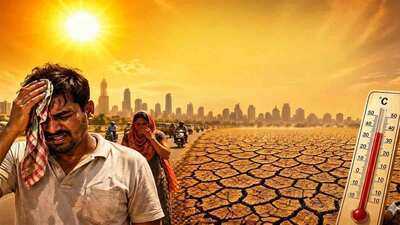
Is 2026 heading toward a climate catastrophe for India, driven by a potential “Super El Nino”? Scientists and environmentalists are increasingly worried by this possibility, warning that extreme heat, drought, and soaring inflation could define the year.
Impact on India:
When the Pacific Ocean warms, it alters atmospheric pressure systems, weakening India’s monsoon and triggering extreme weather conditions.
1877 vs 2026: Why the Risk is Greater Now
In the 1870s, even with lower ocean temperatures, El Nino triggered a devastating famine. Today, the threat is amplified by Climate Change. With 2024 already recorded as one of the hottest years globally, the combination of El Nino and global warming could push temperatures to unprecedented levels.
Scientists caution that forecasting during April–May is challenging due to the “spring barrier,” but current signals remain strong. The peak impact is expected between August and December 2026.
Four Major Threats to India
1. Deadly Heatwaves: Rising carbon dioxide levels (now above 420 ppm) could make heatwaves far more intense than in 1877. Regions like Delhi, Rajasthan, and Uttar Pradesh may see temperatures crossing 50°C. Dangerous “wet-bulb temperatures” could make conditions life-threatening.
2. Agricultural Collapse: Over 50% of India’s agriculture depends on monsoon rainfall. A weak monsoon could severely hit crops like wheat and rice.
3. Food Inflation: Lower crop yields will drive up prices of essential food items, increasing the financial burden on households.
4. Water Crisis: Urban areas could face severe groundwater depletion, worsened by the “urban heat island” effect.
Policy Gaps and Criticism
Despite rising heat risks, heatwaves are often not officially treated as disasters. Governments tend to classify cyclones and floods as disasters but hesitate to do the same for heatwaves.
Why this matters
Declaring heatwaves as disasters would require compensation for affected populations, placing financial pressure on governments. As a result, the crisis is often downplayed as a seasonal variation, limiting preparedness and funding.
Human Factors Making It Worse
The crisis is not just natural—it is also man-made.
What Can Be Done?
While we cannot control nature, we can change our actions.
Individual Steps:
Collective Measures:
A Wake-Up Call for 2026
Unlike 140 years ago, we now have science, data, and early warnings. Ignoring them could lead to devastating consequences. If environmental degradation continues in the name of development, history may repeat itself—with even greater intensity.
The time has come to redefine development and prioritize environmental sustainability before it’s too late.