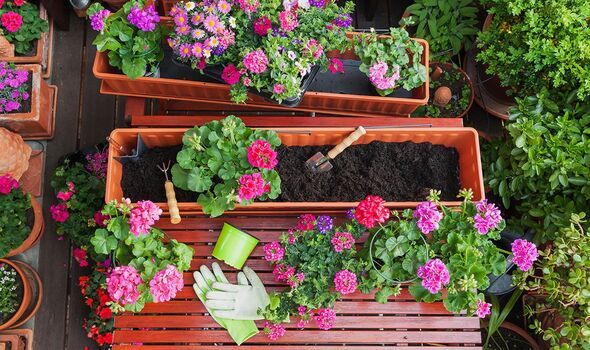
This sudden burst of spring weather inspired me this past weekend to step outside and refresh my pots, filling them with fresh flowers and a splash of colour. Spring is the perfect time to get planting, setting the stage for a gorgeous run of blooms right through the summer months. And with May arriving on Friday, it's a brilliant time to sow seeds for the warmer season ahead and start planting out young plants and bedding.
Now, I'm no gardening expert; in fact, I'm very much a novice, but by taking advice from the experts at Gardeners' World and Gardening Express, I've pulled together a list of flowers and seeds that are just right for planting in May and will reward you with vibrant displays all the way through to October.
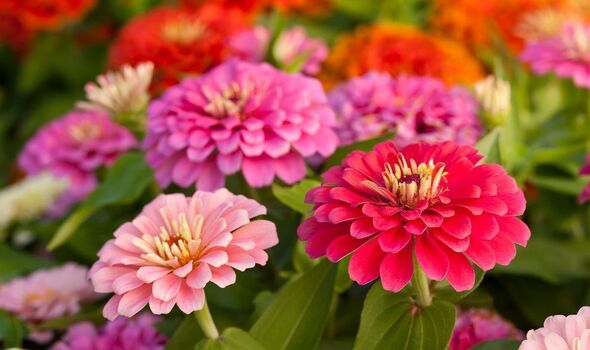
Zinnias are cheerful, daisy-like flowers bursting with colour, and as they're native to Mexico, it's no surprise they love sunshine and warmer temperatures. According to experts from Gardeners' World, they can be sown outdoors in May, going on to bloom between July and October. They're annuals too, meaning they complete their full life cycle within a year.
The best way to sow them is to scatter the seeds over moist, well-prepared soil, then lightly cover with a thin layer of compost. They're wonderfully versatile, looking just as lovely in beds as they do in pots.
They do prefer well-drained soil, though.
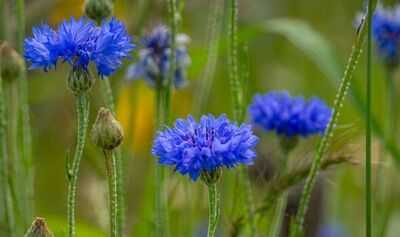
Cornflowers are hardy annual wildflowers which, as experts from Gardeners World note, are pleasingly easy to grow. They tend to shoot up quickly, bursting into eye-catching blue and purple ruffled blooms in summer. While that classic cornflower blue is the most recognisable, you can now find them in pink, red and white shades too.
They're best planted in an upright setting, making them a great choice for pots. Place them somewhere sunny with well-drained soil, and they'll happily get on with things. Aside from a bit of deadheading to encourage more blooms, they don't ask for much.
Simply sow the seeds directly onto the soil, rake over lightly, and wait-flowers usually appear within 10 weeks.
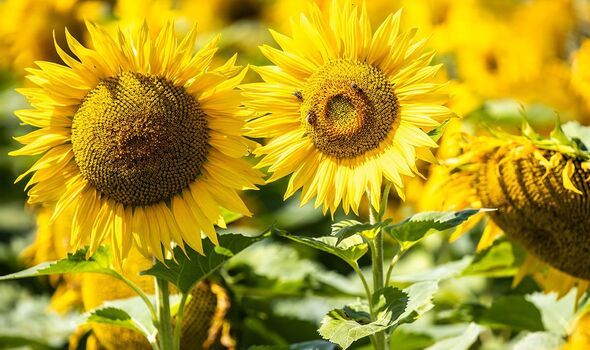
Ah, sunflowers, those instantly recognisable, sunshine-yellow blooms that often bring back childhood memories. I always remember growing them with my grandma, and they're still a wonderful way to involve the whole family. Watching them shoot up and seeing whose sunflower grows the tallest adds a bit of fun to the process, too.
You can sow sunflowers directly outside now or start them in pots to plant out later. Just be sure to protect them from slugs and snails, as warned by Gardeners' World.
They typically take between 11 and 18 weeks to flower from seed, blooming through summer and into early autumn. With that in mind, Gardeners' World suggests sowing seeds every few weeks for a steady, ongoing display.
Plant them in a sunny, sheltered spot with good soil. They'll thrive in well-rotted manure or rich garden compost, and if they grow tall, you may need to stake them - especially in breezy, exposed spots.
Keep them well-watered and feed weekly with fertiliser to help them reach their full height.
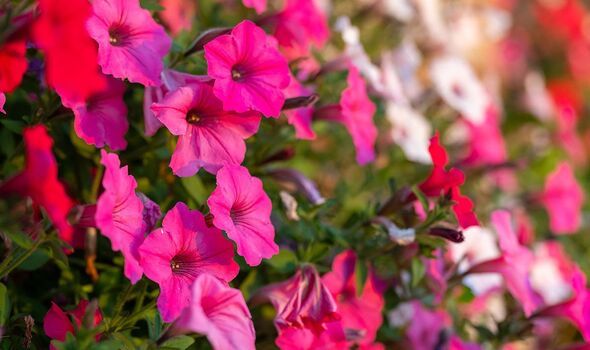
Petunias are tender plants, so they should only be planted outside once the risk of frost has passed-usually from May onwards. These fun, colourful bedding plants are perfect for brightening up borders and adding fullness to hanging baskets.
One of their biggest charms is their long flowering season, which stretches from summer right through to autumn.
Originally from South Africa, they love plenty of sunshine and need a spot that's sheltered from strong winds, along with fertile soil to really flourish.
Regular watering is key, especially for those in pots or hanging baskets. It's best to water in the early morning or evening to avoid scorching.
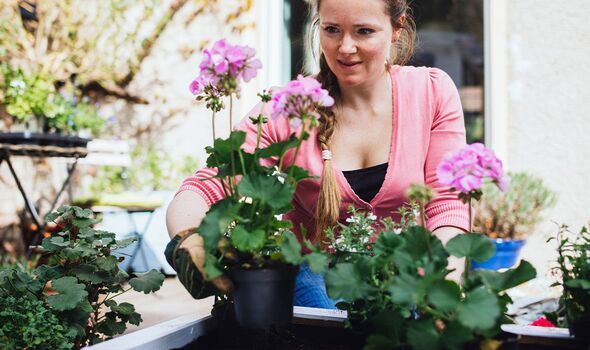
Much like petunias, geraniums can be safely planted outside once the risk of frost has passed. According to Gardeners World, they're wonderfully easy to grow and work just as well in pots as they do in traditional bedding displays.
They prefer well-drained soil and a spot in full sunlight, and they're equally at home in hanging baskets. While they'll grow in most soil types, they do particularly well in neutral or slightly alkaline conditions.
During the summer, keep them well watered and deadhead regularly to encourage a second flush of flowers.
READ NEXT: