
Brits earning above a certain amount have been urged to check if they owe tax amid widespread misconceptions about higher-rate thresholds.
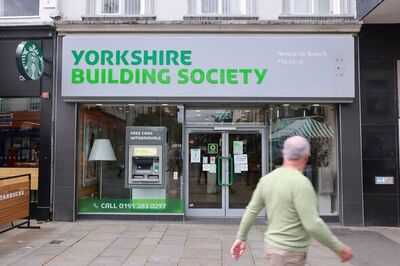
Many taxpayers earning over £50,270 believe that they can earn £703 a year in savings interest before paying tax, compared with the real allowance of £500, according to the Yorkshire Building Society. Misunderstanding of the Personal Savings Allowance (PSA) is growing as more people are pushed into higher-rate tax bands by a decade-long freeze in savings rules and fiscal drag, often without any meaningful change in their financial circumstances.
"Many have only recently crossed the £50,271 income threshold because tax bands have been frozen, rather than as a result of significant pay rises or lifestyle changes," the mutual says. "Yet the moment someone enters the higher-rate band, their PSA is instantly halved, from £1,000 to £500 - a shift that many fail to notice or understand."
Yorkshire Building Society wants to raise awareness of the misconception before the situation worsens, with an additional 2p tax on savings income set to be introduced in 2027.
For those who are already unknowingly breaching the £500 PSA, this change could result in "larger and more painful tax bills", it warns, even where savings balances and interest rates have barely changed.
It reflects a wider lack of understanding among Brits about how tax is subtracted, with 44% of higher-rate payers assuming that their bank or building society automatically deducts any money owed on savings interest.
31% have never checked whether they need to declare or pay tax themselves, the building society found, with 35% worried about receiving an unexpected tax bill as a result, an anxiety driven by uncertainty rather than intentional non-compliance.
Tina Hughes, director of savings at Yorkshire Building Society, says: "Many higher-rate taxpayers don't recognise themselves as such. They haven't had a sudden lifestyle change or big pay rise - they've simply been nudged over a frozen threshold.
"Overnight, their savings allowance is halved, yet our research shows most people don't fully understand what that means."
She adds: "Alongside this, the reduction in the Cash ISA allowance for under-65s limits how much people can shield from tax in the first place. This isn't a failure of individuals - it's the result of a system that hasn't kept pace with economic reality and leaves too many people in the dark.
"If we want people to build financial confidence, we need modernised savings tax rules and much clearer guidance, so people understand their position before they're caught out."