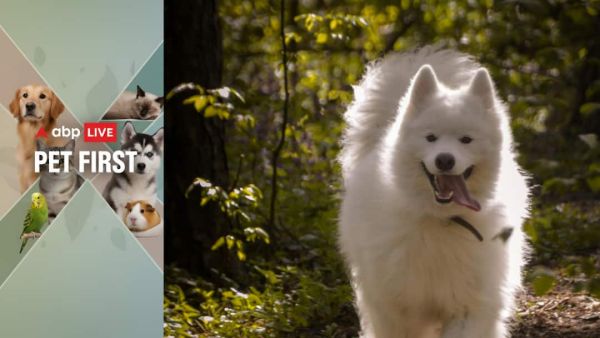
Every year on May 1, dog lovers around the world mark International Samoyed Day, celebrating one of the most charming and friendly breeds. Known for their signature smile and fluffy white coat, Samoyeds have gained popularity as affectionate family companions. But beyond their adorable appearance lies a high-energy working dog that demands time, care, and commitment. For first-time pet owners, choosing a Samoyed can be rewarding, provided you understand their unique needs.
Samoyeds are playful, alert, and naturally friendly, making them great companions for families and individuals alike. However, they are not low-maintenance pets. Their thick coat requires regular brushing, and they are not well-suited for hot climates. These dogs are particularly sensitive to heat and can be prone to heatstroke, so owners must stay alert to signs of overheating.
Originally bred as working dogs, Samoyeds thrive in colder environments and enjoy activities like running in the snow. Their energetic nature means they need at least two hours of exercise daily. Without adequate physical activity and mental stimulation, they may become restless or destructive.
A Samoyed typically lives between 12 to 14 years, which is standard for medium-sized breeds. However, like many purebred dogs, they are prone to certain health conditions. Investing in pet insurance can be a practical step to manage potential medical expenses over time.
Proper nutrition plays a key role in maintaining a Samoyed’s health. Puppies should be given high-quality food that meets established nutritional standards, while older dogs require age-appropriate diets. Active Samoyeds, especially those engaged in physical tasks, benefit from protein-rich meals.
It’s equally important to avoid overfeeding, as obesity can lead to additional health complications. Fresh water should always be available, and feeding schedules should be consistent, typically twice a day for adults and more frequent meals for puppies.
Samoyeds are intelligent and quick learners, but their independent streak can sometimes make training a challenge. Early training and socialisation are essential to ensure they grow into well-behaved adults. Introducing them to different environments, people, and animals at a young age helps build confidence and adaptability.
These dogs are social by nature and enjoy companionship, whether with humans or other pets. However, their herding instincts may lead them to chase smaller animals, so supervision is necessary. Keeping them engaged with activities prevents boredom, which can otherwise lead to chewing, digging, or other destructive behaviours.