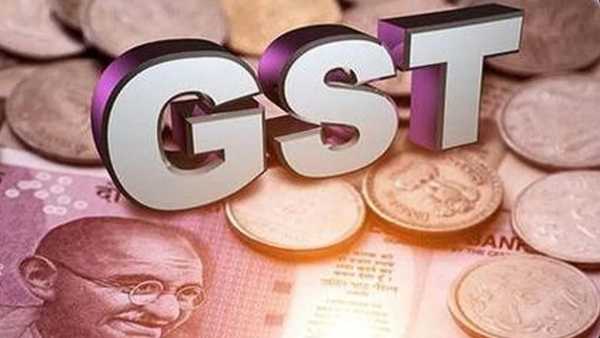
GST 2.0 was seen as the biggest reform on the tax front in the country. The purpose of this new system, which came into effect from 22 September 2025, was to increase demand in the market by making things cheaper. The government abolished the 12 percent slab and brought many essential items within the 5 percent range. This was a good news for the common buyer, but if you are a businessman, the situation is a little different. This change has deepened a technical problem that is giving sleepless nights to the industry. In the language of economics and business, this is called 'inverted duty structure' (inverted tax structure).
The root cause of problems for businessmen is the huge difference between the tax rates of inputs (raw materials and services) and outputs (finished goods). This can be understood with a simple example from the bicycle industry. Suppose, a manufacturer buys steel, rubber and other parts to make a bicycle. He has to pay GST on these at the rate of 18 percent. But when he sells the finished bicycle in the market, only 5 percent tax is levied on it. The businessman has already paid more tax to the government from his own pocket in the beginning. This additional tax has to be recovered from the government in the form of 'Input Tax Credit' (ITC).
Government and industry officials say that this problem has now become more acute. Sectors like food processing, electric vehicles (EV) and textiles are its biggest victims. There is a 5 percent tax on packaged food items and stationery, but even today 18 percent tax has to be paid on essential services like aluminum foil used in its packaging and advertisements. Same is the situation with vaccines in the medical sector. Wherever the share of services or capital goods in the cost of production is high, this tax mismatch is having a heavy impact on the profits and functioning of the companies.
The biggest impact of this inverted tax structure is falling on the small and medium industries of the country. Their working capital gets stuck in the system. Theoretically, businessmen should get refund of excess tax paid. But the ground reality is that due to lengthy paperwork and the tight financial condition of the states, these refunds take months. Without any interest, businessmen's money remains stuck in the government treasury, due to which they face a serious liquidity crisis to buy raw materials and carry out daily tasks.
When the GST Council approved rate rationalization on September 3, 2025, the main focus was to promote consumption in the market. Government officials also believe that earlier when tax rates were changed, special care was taken to remove the inverted duty structure. But the design principles of the tax were not fully implemented in GST 2.0. Consumer goods were put in the cheaper tax slab, but their raw materials were left in the higher slab. Now it is a big challenge before the government that how to free the stuck capital of businessmen as soon as possible while maintaining the demand.