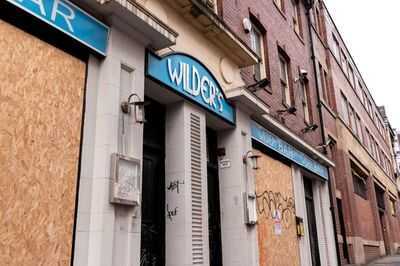
One UK region has emerged as the "misery hotspot" for pub losses with a staggering 69 pubs closing in the past 12 months alone. In the East Midlands the scale of the collapse has seen it far outstrip every other part of the country for boozer closures.
But it's far from an isolated problem. The North West recorded the second-highest number of shutdowns, with 52 pubs disappearing permanently. Yorkshire and the Humber and the South West each lost 36 venues, while the West Midlands saw 34 locals pour their final pints.
Even traditionally resilient areas have not escaped the carnage. London and the South East both saw 32 pubs vanish, highlighting how the crisis is cutting across urban and rural communities alike. Elsewhere, the East of England and Wales each lost 28 pubs, while the North East - although least affected - still saw 19 closures. In total, 366 pubs shut their doors for the last time.
These are not temporary shutdowns or seasonal pauses. Industry experts warn the losses are permanent and, in many cases, irreversible.
Alex Probyn, a practice leader at Ryan, a leading global tax firm that specialises in business tax services, said the shuttered pubs are typically gone for good. Many have already been demolished or converted into housing, offices, nurseries or cafés - and once that happens, they almost never return as pubs.
That means the impact goes far beyond a lost pint.
Each pub is estimated to contribute up to £1.3 million in economic and social value to its community, supporting jobs, local supply chains and acting as a vital social hub. Their disappearance represents a significant blow not just to the hospitality sector, but to the wider economy and the fabric of local life.
Worryingly, the trend appears to be accelerating.
Recent figures suggest that more than three licensed venues closed every single day during the first quarter of 2026. If that rate continues, this year could see even sharper declines.
The reasons behind the wave of closures are well known - soaring energy costs, rising wages, higher taxes and changing consumer habits have all piled pressure on an already struggling sector. For many landlords, the sums simply no longer add up.
What's left is a rapidly shrinking pub map - and growing concern about what replaces these institutions.
As more sites are repurposed, the chances of revival fade. Once a pub is turned into flats or a convenience store, it is effectively lost forever.
For communities across the UK, the message is blunt: for many locals, it really is last orders.