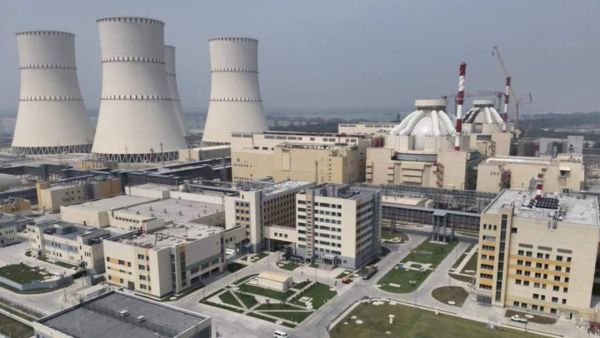
The commencement of the uranium fuel loading process at Bangladesh's first nuclear power plant in Rooppur, located approximately 160 kms from Dhaka, marks a significant achievement in the country's aspirations to become a nuclear power. This development is particularly noteworthy as India is set to play a crucial role in the operation of this ambitious project, especially in light of the recent efforts to mend relations following the political changes that led to the ousting of the Hasina administration. The Rooppur plant, which is designed to generate 1,200 megawatts of electricity through two units, is being constructed by Russia, with initial agreements established in 2011 and construction officially beginning in 2017.
Recognizing the challenges associated with operating the plant exclusively with Russian personnel, Bangladesh has entered into a trilateral agreement with both Russia and India. This partnership not only encompasses the supply of non-nuclear components for the facility but also includes the deployment of Indian technicians and workers who possess specialized expertise in managing similar VVER-1200 type nuclear power plants. Notably, these Indian professionals have experience from the VVER-1000 type nuclear power plant currently operational in Kalpakkam, India, which further enhances their capability to contribute effectively to the Rooppur project.
The decision by Bangladesh to engage India in this trilateral cooperation transcends mere symbolism; it represents a vital functional alliance that is poised to bolster India's strategic heft in the region. This collaboration serves as a precedent for other nations aspiring to develop nuclear capabilities but lacking sufficient domestic qualified personnel, encouraging them to seek assistance from Indian nuclear experts. Under the terms of this trilateral partnership, India will assume the role of a technical mentor, thereby facilitating knowledge transfer and operational support that will be essential for the successful functioning of the Rooppur nuclear power plant.
The nuclear sector is highly sensitive in the realm of international diplomacy and security, making the decision by the Bangladeshi government in 2018 particularly noteworthy. This move came at a time when relations between India and Bangladesh were flourishing under the leadership of the Awami League, headed by Sheikh Hasina, who is currently in exile in India. New Delhi viewed this initiative as an opportunity to strengthen bilateral ties further, especially as the new government in Dhaka aims to normalize its relationship with India. India's willingness to provide trained personnel for the efficient operation of the Rooppur Nuclear Power Plant is expected to enhance mutual trust and cooperation.
Collaboration in the nuclear sector hinges on mutual trust and amicable relations, and the Rooppur plant is anticipated to foster goodwill between the two nations and their peoples. The two units of the plant are projected to meet ten percent of Bangladesh's electricity needs, thereby playing a crucial role in the country's energy security. The tripartite agreement outlines provisions for technical assistance related to the construction of the Rooppur Nuclear Power Plant, including knowledge transfer, consultancy, and support in regulatory matters to ensure safe and efficient operations. This partnership will also facilitate Bangladesh's ability to attract qualified Indian professionals and institutions with expertise in the construction, commissioning, and operation of complex industrial facilities. By sharing resources and experiences, both nations can work together to ensure the successful implementation of the Rooppur project, ultimately contributing to a more secure and sustainable energy future for Bangladesh.
The nuclear power plant (NPP) in Bangladesh, which has a total projected capacity of 2400 MW, is set to commence production with an initial output of 300 MW by the end of August. Prior to the March, 2018 tripartite agreement, both neighbours had concluded a bilateral agreement in April 2017 , which focused on cooperation in the peaceful use of nuclear energy. As a signatory to the Nuclear Non-Proliferation Treaty, Bangladesh is permitted to construct and operate the nuclear facility under the supervision of the International Atomic Energy Agency (IAEA). Given the country's limited pool of technically qualified personnel to manage a nuclear power plant, it is logical for Dhaka to seek assistance from India. This collaboration underscores the strength of bilateral relations, as India boasts over fifty years of experience in the construction, maintenance, and operation of nuclear power plants, along with a well-trained workforce in various aspects of nuclear technology.
Currently, Indian private sector thermal power companies are supplying electricity to Bangladesh's power grid, and the nation is looking to enhance its reliance on nuclear energy in the future. With this latest achievement, Bangladesh is poised to become the third nuclear power-generating country in South Asia, following India and Pakistan, and will join an exclusive group of 30 nations worldwide. This milestone reflects Bangladesh's commitment to meeting its energy demands through nuclear fuel, marking a significant step in its energy strategy.
The Russian government is set to invest approximately USD 12.60 billion in the construction of a 2400 MW nuclear power plant, utilizing its latest reactor technology, which is recognized as one of the safest and most efficient in the world. In contrast, China's involvement in Pakistan's nuclear sector, where it has supplied several reactors, has led to a situation where operations are predominantly managed by Chinese technicians. For India, the fact that Bangladesh has not succumbed to Chinese influence is a significant relief, highlighting the importance of regional dynamics.
The VVER-1200 reactor design from Russia is noted for its superior characteristics. Under the tripartite agreement , India's involvement as a mentor in this project is poised to enhance its image within Bangladesh, particularly in the context of the increasingly complex political discourse surrounding India-Bangladesh relations, which has recently been marred by anti-India sentiments. This cooperation is expected to bolster India's geopolitical influence and standing within the global nuclear community, while also providing valuable experience in international project management. Furthermore, it may pave the way for increased demand for Indian nuclear plant operators in other countries where Russia is establishing nuclear reactors, as India actively seeks to expand its investments in nuclear power globally.
The collaboration between the Indian Atomic Energy Regulatory Board and the Bangladesh Atomic Energy Regulatory Board is set to formalize nuclear cooperation between the two countries. As part of this initiative, the upcoming visit of Bangladesh Prime Minister Tarique Rahman to New Delhi will provide an opportunity for both nations to discuss and outline a strategic roadmap for future collaboration in the nuclear sector. This partnership in nuclear energy is anticipated to become a cornerstone of the broader strategic relationship between India and Bangladesh, highlighting the importance of shared goals and mutual benefits in advancing their respective energy agendas.
(The writer is a senior journalist and strategic affairs analyst. )