5 Reasons Why 'Raja Shivaji' Missed Being Masterpiece: As soon as the name of Chhatrapati Shivaji Maharaj comes, a picture of courage, strategy and Swaraj emerges in the mind which gives goosebumps. The recently released film 'Raja Shivaji' is another attempt to bring the saga of this great hero on the big screen. There was a lot of enthusiasm among the audience about this film, directed and acted by Ritesh Deshmukh, but after leaving the theatre, only one thing comes to mind, “The film is good, but it could have been much better.”
Had these 5 shortcomings been addressed, the film 'Raja Shivaji' would not only have been a hit but would have been recorded as a masterpiece in the history of Indian cinema. Let us know where 'Raja Shivaji' went wrong.
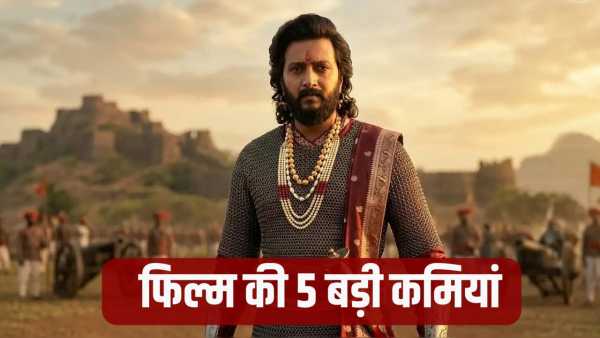
The biggest strength of the film should have been its story, but the slowness of the screenplay ruined it. The life of Shivaji Maharaj is full of incidents, but the film feels stretched at many places. Some scenes are longer than necessary. For a masterpiece film, it is essential to have precise 'pacing', the lack of which is clearly felt here.
In today's era when the audience has seen visual treats like 'Bahubali' and 'RRR', the graphics of 'Raja Shivaji' look a bit dull. Some scenes of the battlefield seem artificial at some places. To give a 'larger than life' feel in historical films, VFX needs to be world class, but the limitations of the budget are clearly visible, which limits the grand experience of the film.
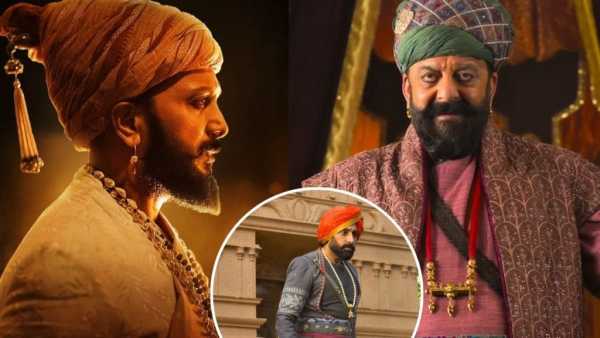
There is no doubt that Riteish Deshmukh has put in a lot of physical effort for the character of Shivaji. But the script of the film gives him less opportunity to show in depth those emotional moments which expose the inner man of a warrior. Apart from the supporting cast, especially Afzal Khan, the other villain characters could also have been shown stronger and more dangerous. Unless the enemy appears powerful, the joy of the hero's victory is reduced to half.
In a film based on the life of Chhatrapati Shivaji Maharaj, one expects dialogues that will make one applaud. The dialogues of the film are good, but they do not have that 'punch' that the audience will remember even after taking it home. The soul of historical films is their language and effective dialogue delivery, in which this film remained a bit dull.
Ajay-Atul's music is the life of the film, but at many places the background score dominates the scene, while at other places it becomes completely quiet. In a historical epic, music should serve to evoke emotions. The songs of the film are good to listen to, but their coordination with the pace of the film seems to be weak at some places.
Despite all these shortcomings, Ritesh Deshmukh's vision has to be praised. The honesty with which he has shown the early struggles of Shivaji Maharaj is praiseworthy. The struggle to lay the foundation of the Maratha Empire and his relationship with his mother and brother-in-law have been filmed very beautifully.