Ras Al Khaimah is no longer an emerging story within the UAE, it is a fast-growing, investment-ready economy operating at scale. With a GDP of $11.5 billion, a population exceeding 400,000, and more than 50,000 companies operating across manufacturing, logistics, tourism, and services, the emirate has entered a phase of accelerated development. Tourism alone is projected to bring 3.5 million annual visitors by 2030, while industrial expansion, real estate development, and logistics infrastructure continue to expand.
This growth is supported by strong fundamentals. Ras Al Khaimah maintains a consistently high credit rating, low public sector debt, and a diversified economic base in a strategic location. These advantages have translated into rising investor interest and long-term confidence in the emirate’s economic trajectory. As industry scales, tourism expands, and new urban communities take shape, we are aware of our responsibility to ensure that sustainability is integral to this positive momentum. Managing energy demand, water security, environmental quality, and climate risk has become central to sustaining growth without compromising future competitiveness.
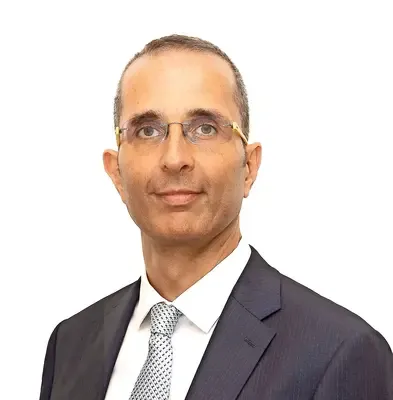
Andrea Di Gregorio, Executive Director, Reem.
Ras Al Khaimah Integrated Sustainability (RIS) Strategy 2050 is a comprehensive framework designed to align economic expansion with long-term resilience. It stems from the previous Energy Efficiency and Renewables Strategy 2040 which had a strong focus on energy transition and expands into broader sustainability priorities, including emissions reduction, climate adaptation, air quality, water and soil management, and biodiversity protection. This reflects a shift from targeted energy initiatives to a fully integrated approach for long-term environmental and economic resilience. The challenge is to decouple growth from energy costs, resource strain, and environmental degradation, and the RIS Strategy addresses this by positioning sustainability as an enabler of productivity, investment, and quality of life.
The economic case is compelling. The strategy is expected to deliver substantial economic, social, and environmental benefits, including a net positive impact on GDP, reduced greenhouse gas emissions, lower energy and water costs, and job creation across green industries. These outcomes reinforce the idea that sustainability, when executed at scale, strengthens rather than constrains economic performance. This ambition is already translating into action. On the demand side, targeted energy efficiency interventions are being implemented across most economic sectors. These efforts are supported by recent legislation, including, for example, Amiri Resolutions mandating government energy efficiency (Amiri Resolution No. 18 of 2024), industrial energy efficiency (No. 20 of 2024), and green procurement (No. 19 of 2024).
In the built environment, new construction is shaped by Barjeel, the emirate’s green building regulations, which embed energy efficiency into building design and construction. To date, more than 4,500 buildings have been completed under these standards, locking in long-term energy savings while improving performance and occupant comfort. In the industrial sector, the recently introduced energy audit and reporting programme is seeing participation of companies representing already about 70% of industrial electricity demand, unlocking multiple project opportunities with attractive payback times of less than two years. Collectively, these measures have already delivered strong results, with overall energy and water efficiency improving by 2.5% and 4%, respectively, compared to a 2017 baseline.
The residential sector is also seeing new, targeted action. Through the Manzily Energy Advice Service, more than 200 homes have been audited, helping homeowners identify practical opportunities to reduce energy consumption, lower utility bills, and improve comfort. The programme demonstrates an approach that can be expanded over time in a sector where behaviour and awareness play a critical role.
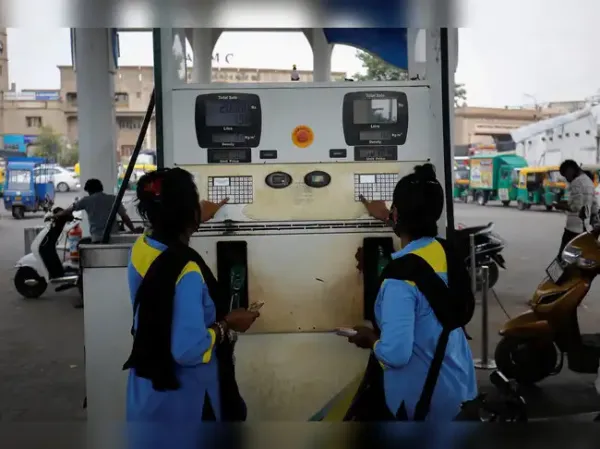
In the transport sector, Ras Al Khaimah continues to expand its public transport network, while the taxi fleet is now predominantly electric and hybrid. Nearly 7% of the emirate’s total vehicle stock already comprises electric and hybrid vehicles, reflecting growing consumer uptake alongside public-sector leadership. On the energy supply side, new regulations for distributed renewable energy are set to unlock new private-sector investment, to serve a growing pipeline of projects. In parallel, extensive technical studies are underway on potential game-changers for Ras Al Khaimah’s energy system, including utility-scale wind energy, pumped hydro storage, natural hydrogen and refuse derived fuels, which may offer new avenues for clean, reliable power over the long term.
The strategy also recognises the importance of developing capabilities. Delivering sustainability at scale requires a capable local supply ecosystem. Targeted measures such as an international SME competition, focused incentives to support sustainable energy companies in setting their base in Ras Al Khaimah, and events meant to connect supply and demand, such as RAK Energy Summit, are stimulating innovation and economic development.
Taken together, these actions reinforce the emirate’s ongoing energy transition, which remains central to the strategy. The approach builds on existing efficiency programmes, while accelerating the transition to cleaner fuels and utilities in line with UAE’s target of achieving 50% clean energy by 2050. For businesses and investors, this signals long-term cost predictability and reduced exposure to volatility of global energy prices. For the emirate, it enhances energy security and reduces the overall energy bill while reinforcing its competitiveness in a low-carbon global market.
Importantly, the RIS Strategy extends beyond reducing emissions. Environmental quality across air, soil, water, and biodiversity is treated as a strategic asset. Conservation of marine and terrestrial ecosystems, improved land and water management, the use of native plant species are important to support public health, liveability, and sustainable tourism, while preserving the emirate’s natural capital.
Execution of the strategy relies on a robust governance framework, including oversight by RAK Sustainability Committee and the assignment of some of the main government entities as programme owners or supporting entities. Clear accountability for the three strategic pillars, utilities security and competitiveness, environmental protection, and climate change mitigation, ensures alignment between policy intent and delivery. Reem, the Sustainable Energy Sector of Ras Al Khaimah Municipality, provides advisory and implementation support. This coordinated model reinforces the principle that sustainability cannot succeed in silos.
Ras Al Khaimah’s transition to a greener economy is fundamentally about future-proofing prosperity and ensuring that growth today secures opportunity tomorrow. It is grounded in the belief that, when climate ambition is embedded in growth strategy and governance, it can become an economic multiplier – attracting investment, businesses, people and skills, increasing resilience, and ensuring that rapid growth today does not come at the expense of tomorrow.