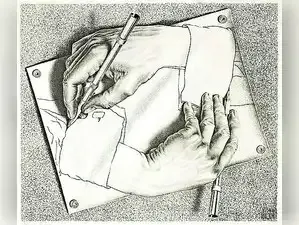
Art is deliberate alteration of reality. The intention of all art, as the good readers of this good paper know, is to convey emotion beyond the physical world. Tools for creating art have changed from charcoal to silicon chips. Yet, they serve the same purpose of distortion. Cavemen drew cattle. Machines create influencers. Both have humans communicating through the best available medium. Should the process of creation be allowed to define artistic ability? Luckily, we haven't needed to answer the question. Till now. A painting is different from a photograph. Yet, they are both art. However, AI blurs the distinction, and so - or so the argument goes - it must be labelled. Synthetic art may exceed human capabilities at some point having become the collective consciousness. But till AI remains a collaborator, labelling content created with its help would cause a disservice to art.
It seems that lawmakers now want synthetic content watermarked for an entirely different reason: to tackle misinformation. Labelling should not affect the development of art, although it remains a purposeful departure from reality. Yet, there is an inherent conflict if AI were to come up with something of the stature of Guernica and be regarded of lesser merit. Remember, there was a time when recorded music was considered inferior to live music. But when guided by human emotion, an original piece of synth art is still art. Lower down on the emotional scale, commercial art doesn't suffer as much on account of branding.
Art is headed for disruption by AI. Tech threatens livelihoods of artists, unless they adapt to the new tools. Audiences are being targeted by AI-generated creative content and their aesthetic values are transforming. With tech raising the base for artistic expression, the masterpiece is more likely to emerge in the prevalent medium. This calls for greater collaboration with AI to be original and contribute to art's development. All new art forms need encouragement. Synthetic art is no exception. Labelling may not be the way to go about it.
It seems that lawmakers now want synthetic content watermarked for an entirely different reason: to tackle misinformation. Labelling should not affect the development of art, although it remains a purposeful departure from reality. Yet, there is an inherent conflict if AI were to come up with something of the stature of Guernica and be regarded of lesser merit. Remember, there was a time when recorded music was considered inferior to live music. But when guided by human emotion, an original piece of synth art is still art. Lower down on the emotional scale, commercial art doesn't suffer as much on account of branding.
Art is headed for disruption by AI. Tech threatens livelihoods of artists, unless they adapt to the new tools. Audiences are being targeted by AI-generated creative content and their aesthetic values are transforming. With tech raising the base for artistic expression, the masterpiece is more likely to emerge in the prevalent medium. This calls for greater collaboration with AI to be original and contribute to art's development. All new art forms need encouragement. Synthetic art is no exception. Labelling may not be the way to go about it.