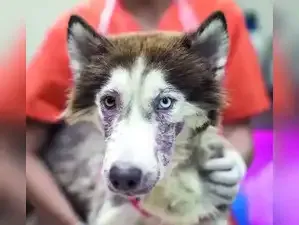
The tragedy of five Siberian Huskies abandoned near Nandigaon village on the outskirts of Hyderabad - with a sixth succumbing to the heat - reflects a society that treats living beings as disposable accessories. The dogs, creatures of the Arctic tundra, were left to bake in the relentless Deccan sun, likely because their maintenance became a liability for a backyard breeder. Authorities have to crack down on such inhumane practice.
The legal landscape on breeding/foreign dogs is a toothless patchwork of advisories. While a 2024 central circular targeted 'dangerous' breeds, it bypassed the welfare of cold-climate animals, leaving Prevention of Cruelty to Animals rules as a set of suggestions. Dog breeding is big business, and any movement toward regulation has always met resistance from stakeholders like Kennel Club of India (KCI), which fear for the 'sanctity' of purebred commerce. These organisations must be brought to the table to co-author a sustainable 'breeding cap' policy. The status-conscious demand for 'exotics' must be curbed by integrating these stakeholders into a system where they are held legally responsible for the life cycles of the animals they promote.
A while back, the PM had given a call to adopt more Indian breeds. If hearts will not change, the law must intervene with strict, technology-backed accountability. To trace an animal back to the owner, microchipping - as is done for cattle in many states - is a viable option. Furthermore, selling a cold-climate breed should be legally contingent on a thorough check of the buyer's environment and financial means. This barbaric cycle will only end when law enforcement ensures that the cost of abandonment - legal, financial, ethical and social - far outweighs the profit of sales.
The legal landscape on breeding/foreign dogs is a toothless patchwork of advisories. While a 2024 central circular targeted 'dangerous' breeds, it bypassed the welfare of cold-climate animals, leaving Prevention of Cruelty to Animals rules as a set of suggestions. Dog breeding is big business, and any movement toward regulation has always met resistance from stakeholders like Kennel Club of India (KCI), which fear for the 'sanctity' of purebred commerce. These organisations must be brought to the table to co-author a sustainable 'breeding cap' policy. The status-conscious demand for 'exotics' must be curbed by integrating these stakeholders into a system where they are held legally responsible for the life cycles of the animals they promote.
A while back, the PM had given a call to adopt more Indian breeds. If hearts will not change, the law must intervene with strict, technology-backed accountability. To trace an animal back to the owner, microchipping - as is done for cattle in many states - is a viable option. Furthermore, selling a cold-climate breed should be legally contingent on a thorough check of the buyer's environment and financial means. This barbaric cycle will only end when law enforcement ensures that the cost of abandonment - legal, financial, ethical and social - far outweighs the profit of sales.