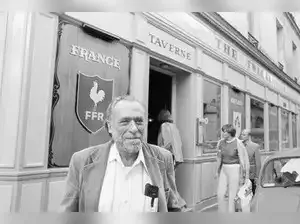
Quote of the day by Charles Bukowski: ‘There are times when those eyes inside your brain stare…’ The haunting truth about your inner voice by the author of ‘What Matters Most is How Well You Walk Through the Fire’
Quote of the day: Raw, unfiltered and often brutally honest, Charles Bukowski built a literary legacy that refused to look away from life’s harsher realities. Born in 1920 in Germany and raised largely in Los Angeles, Bukowski became known for writing about society’s margins, alcoholics, gamblers, drifters and the overlooked. His work didn’t romanticize struggle; it exposed it.
From poetry collections like Love Is a Dog from Hell to novels such as Post Office, Bukowski carved out a voice that felt both cynical and deeply human. Much of his writing revolved around his alter ego, Henry Chinaski, a flawed yet observant character navigating a chaotic world. Over time, what began as underground acclaim turned into mainstream recognition, cementing Bukowski as one of the most influential literary figures of the 20th century.
“There are times when those eyes inside your brain stare back at you.”
Bukowski is pointing to something deeply psychological, the moment when self-awareness turns inward and refuses to be ignored.
These “eyes” can be understood as your inner consciousness: the part of you that observes your thoughts, choices and contradictions. Most of the time, people move through life distracted, avoiding uncomfortable truths. But occasionally, there are moments, quiet, intense, unavoidable, when you are forced to confront yourself.
It’s the internal voice that asks:
Unlike external criticism, which can be dismissed or debated, this inner gaze is harder to escape. It doesn’t argue, it simply observes. And that observation can feel intense, even unsettling, because it strips away excuses.
This idea ties closely to modern concepts in psychology, such as introspection and self-reflection. While these processes are essential for growth, they are not always pleasant. Growth often begins with discomfort, recognizing flaws, regrets or unfulfilled potential.
Bukowski doesn’t soften this reality. Instead, he presents it exactly as it feels: direct, raw and impossible to ignore.
To “walk through the fire” is not just about surviving external challenges—it’s about enduring the internal ones too. The fire, in this sense, is self-awareness. And how you respond to it defines your growth.
Do you turn away from those “eyes”?
Or do you face them, learn from them and move forward?
Because when the noise fades, even briefly, those internal moments return.
People today often speak about “finding themselves” or “being authentic.” Bukowski’s quote suggests that authenticity begins not with expression, but with honest self-examination.
And that process isn’t always inspiring, it can be uncomfortable, even unsettling. But it is necessary.
And awareness is powerful.
It allows you to:
Because in the end, the question isn’t whether those “eyes” will appear—it’s what you choose to do when they do.
From poetry collections like Love Is a Dog from Hell to novels such as Post Office, Bukowski carved out a voice that felt both cynical and deeply human. Much of his writing revolved around his alter ego, Henry Chinaski, a flawed yet observant character navigating a chaotic world. Over time, what began as underground acclaim turned into mainstream recognition, cementing Bukowski as one of the most influential literary figures of the 20th century.
Quote of the day today
In typical Bukowski fashion, one of his most striking lines doesn’t comfort—it confronts:“There are times when those eyes inside your brain stare back at you.”
Quote of the day meaning
At first glance, the quote feels almost unsettling. What are these “eyes”? Why are they staring back?Bukowski is pointing to something deeply psychological, the moment when self-awareness turns inward and refuses to be ignored.
These “eyes” can be understood as your inner consciousness: the part of you that observes your thoughts, choices and contradictions. Most of the time, people move through life distracted, avoiding uncomfortable truths. But occasionally, there are moments, quiet, intense, unavoidable, when you are forced to confront yourself.
It’s the internal voice that asks:
- Are you living honestly?
- Are you avoiding something important?
- Are your actions aligned with who you claim to be?
The discomfort of facing yourself
Bukowski’s quote resonates because it captures a universal but rarely discussed experience: the discomfort of self-confrontation.Unlike external criticism, which can be dismissed or debated, this inner gaze is harder to escape. It doesn’t argue, it simply observes. And that observation can feel intense, even unsettling, because it strips away excuses.
This idea ties closely to modern concepts in psychology, such as introspection and self-reflection. While these processes are essential for growth, they are not always pleasant. Growth often begins with discomfort, recognizing flaws, regrets or unfulfilled potential.
Bukowski doesn’t soften this reality. Instead, he presents it exactly as it feels: direct, raw and impossible to ignore.
Walking through the fire: a deeper connection
The quote also connects to a broader theme often associated with Bukowski’s work, resilience in the face of internal and external struggle. His philosophy, often summed up as enduring life’s hardships without losing authenticity, suggests that these moments of inner confrontation are not obstacles, but necessary trials.To “walk through the fire” is not just about surviving external challenges—it’s about enduring the internal ones too. The fire, in this sense, is self-awareness. And how you respond to it defines your growth.
Do you turn away from those “eyes”?
Or do you face them, learn from them and move forward?
Why this quote still feels relevant today
In today’s hyper-connected world, distraction is constant. Social media, notifications and endless content make it easier than ever to avoid introspection. Yet, ironically, this makes Bukowski’s message even more relevant.Because when the noise fades, even briefly, those internal moments return.
People today often speak about “finding themselves” or “being authentic.” Bukowski’s quote suggests that authenticity begins not with expression, but with honest self-examination.
And that process isn’t always inspiring, it can be uncomfortable, even unsettling. But it is necessary.
The power of awareness
While the quote may seem dark, it carries a quiet strength. The very existence of those “eyes” means one thing: you are aware.And awareness is powerful.
It allows you to:
- Recognize patterns in your behavior
- Question your decisions
- Make conscious changes
- Grow beyond limitations
Because in the end, the question isn’t whether those “eyes” will appear—it’s what you choose to do when they do.