
Asthma sufferers who rely on a blue inhaler to manage their condition are being advised to speak to their GP. The guidance follows updated guidelines prompted by research revealing that prolonged use of the medication could actually worsen the condition.
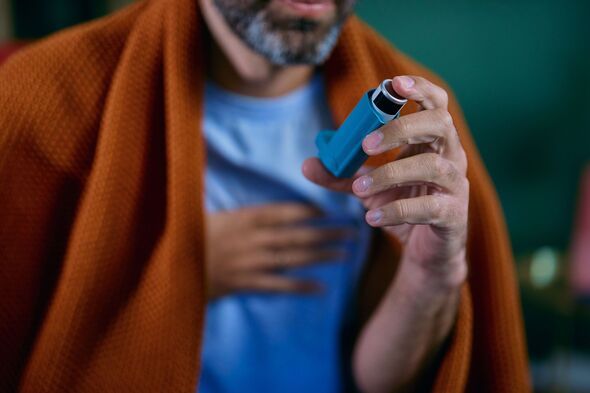
For many years, the blue inhaler - medically referred to as a short-acting beta2 agonist or SABA - has been a lifeline for millions of asthma patients. Containing salbutamol (such as Ventolin), it acts as a reliever or rescue inhaler, providing rapid relief from breathing difficulties by swiftly opening airways and relaxing muscles during asthma attacks, wheezing, coughing, or chest tightness brought on by asthma or COPD.
However, NICE, the National Institute for Health and Care Excellence, has revised its guidelines and now recommends that patients move away from the traditional blue inhaler, which it says "masks the problem without fixing it". Instead, it advises patients to switch to combination inhalers that not only ease symptoms but also address the underlying inflammation responsible for triggering attacks in the first place.
NICE warns that "overuse is linked to a higher risk of attacks, hospital admissions and death". Worryingly, nearly half of all blue inhaler users in England (48%) were prescribed more than two in 2024 to 2025, a level that specialists regard as a significant warning sign.
Dr Amina Al-Yassin, a GP and clinical lead for children and young people's services at Brent Integrated Care Partnership, said: "They make people feel better, but only briefly. We now know that over time they are likely to make asthma worse. Seeing a blue inhaler used alone is now a dangerous sign to me."
With proper asthma management, a patient should experience few or no symptoms and seldom need to reach for their reliever inhaler. Under the new guidelines, those aged 12 and over who are newly diagnosed or require step-up treatment are expected to switch to combination inhalers, reports the Mirror.
These devices combine an inhaled steroid with a long-acting beta2 agonist (LABA) medicine called formoterol in a single unit. They tackle inflammation and help prevent flare-ups while also delivering instant relief.
The updated treatment approaches are known as AIR (Anti-inflammatory Reliever), which uses the inhaler solely when required, and MART (Maintenance and Reliever Therapy), which involves using the inhaler both daily and as needed, for those suffering more frequent or severe symptoms.
Professor Ewan Maule, director of medicines and pharmacy, North East and North Cumbria Integrated Care Board (ICB), said: "For over 50 years, the blue inhaler has been prescribed for people with asthma, providing quick relief for breathing difficulties. We now know that asthma is not just about keeping the airways open, it's also about controlling the inflammation, or swelling, that causes the symptoms in the first place.
"By upgrading to a combined treatment inhaler patients not only get the relief they need but also benefit from treatment that treats the root cause of their asthma. This can lead to fewer flare-ups, fewer hospital visits, and better long-term lung health."
The ICB advised: "Anyone currently using a blue reliever treatment inhaler is being encouraged to contact their GP practice to review their asthma plan to see if a new combination inhaler might work better for them."
GP practices provide two main treatments for asthma:
Claire Adams, ICB respiratory clinical lead added: "Having the right plan and using the right inhaler, in the right way, can make all the difference in managing asthma effectively.
"The new combination inhalers offer more protection and better control, helping people to live well and breathe more easily.
"Reviewing your asthma action plan with a healthcare professional will ensure you understand how to use the right inhaler correctly and get the best protection for your lungs, helping you to live symptom free!" For more information on switching from 'blue to new', contact your GP surgery.