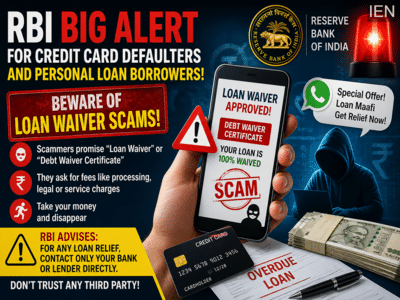
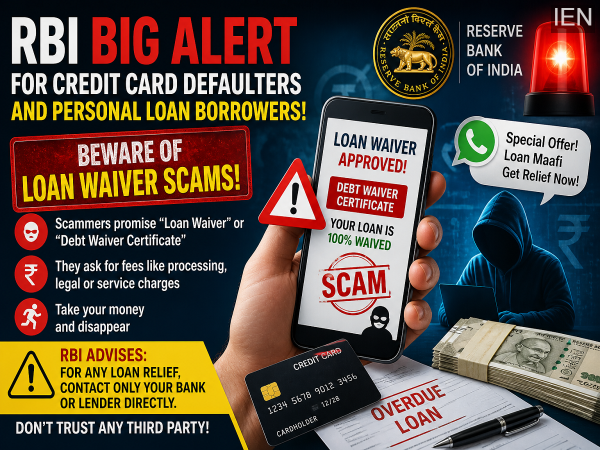
If you have an active loan or credit card dues, this update is crucial for you. The Reserve Bank of India (RBI) has issued a strong warning against rising frauds targeting borrowers through fake promises of loan waivers and debt settlements.
According to the central bank, scammers are increasingly using social media platforms, phone calls, and messaging apps like WhatsApp to trap unsuspecting individuals. These fraudsters claim they can help borrowers get their loans written off or provide so-called “debt waiver certificates”—but in reality, it’s a well-planned scam.
How the ‘Loan Waiver’ Scam WorksFraudsters typically approach borrowers by offering attractive solutions such as complete loan forgiveness or major reductions in outstanding dues. They present themselves as agents, legal advisors, or representatives of financial institutions.
To make their offers seem legitimate, they often use convincing language and even fake documents. However, the trap begins when they ask for upfront payments under various pretexts, including:
Once the payment is made, these scammers either disappear or continue demanding more money without delivering any real service.
Who Is at Risk?This scam primarily targets individuals who have:
Borrowers looking for quick relief are more likely to fall into such traps, especially when they receive offers that sound too good to be true.
RBI’s Clear Advisory to BorrowersThe Reserve Bank of India has made it clear that no third-party agent can legally guarantee a loan waiver or settlement on your behalf. Any genuine relief—such as restructuring, settlement, or waiver—can only be provided by your bank or lending institution.
Borrowers are strongly advised to:
With rising digital adoption, fraudsters are finding new ways to exploit borrowers online. Messaging apps and social media platforms allow them to reach thousands of people quickly, making it easier to spread fake offers.
Additionally, financial stress among borrowers has created an environment where people are more vulnerable to such fraudulent schemes.
What You Should Do If You Receive Such OffersIf you receive a message or call offering loan waiver services:
Taking these steps can help you avoid financial loss and protect your personal information.
Final TakeawayThe RBI’s latest warning highlights the growing threat of loan-related scams in India. While financial challenges may push borrowers to seek quick solutions, trusting unknown agents can lead to bigger problems.
Always remember—any genuine loan relief must come directly from your bank or lender. Staying alert and informed is the best way to safeguard your money and avoid falling victim to fraud.