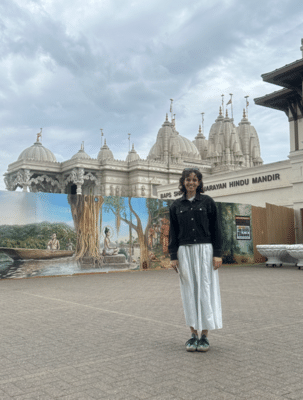
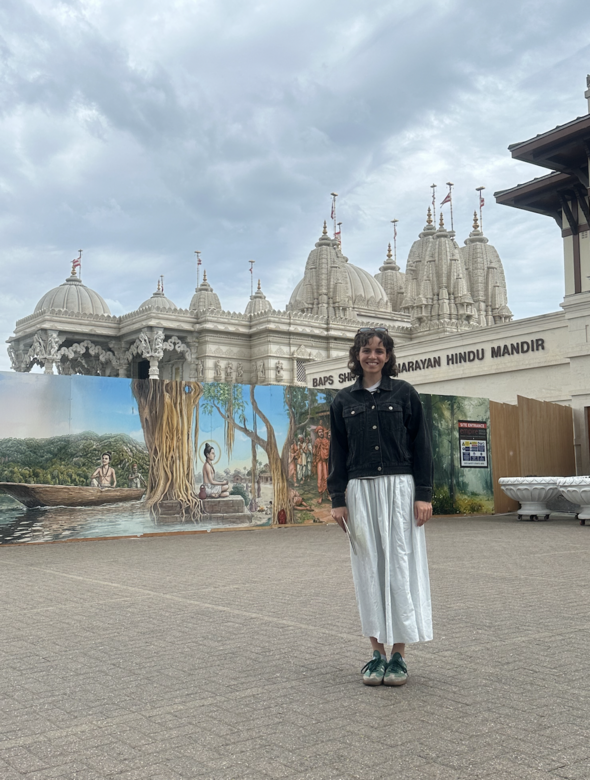
When I searched for the word "Neasden" on Google, I came across something I wasn't expecting at all. I saw images showing a beautiful white building that looked completely out of place in northwest London. The stonework carved into the tiniest detail, and the almost luminous appearance made it feel like a site from another continent. The mysterious masterpiece turned out to be the BAPS Shri Swaminarayan Mandir London, often referred to as the Neasden Temple. Previously visited (four times!) by King Charles, who last year called it a "beacon of devotion", but also Princess Diana and Michael Jackson, I figured it was my time to experience the little-known architectural gem.
When I entered the space, I was immediately told to take off my shoes. In Hinduism, removing shoes is a way of leaving the outside world behind before entering a sacred space. My friend and I were then greeted by a kind volunteer, who gave us a free tour of the premises. Opened in 1995, the temple is the largest in Europe and the largest outside India, and an important place of worship for Hindus in the UK.
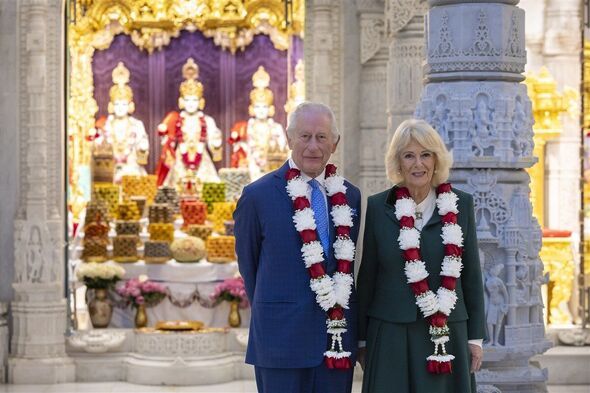
Despite its allure, the temple has not been spared from criticism from some members of the Hindu community. BAPS follows the Swaminarayan tradition, founded in the 1800s by the yogi Swaminarayan. It places strong emphasis on devotion to Swaminarayan as the supreme manifestation of god, having a highly organised global structure with strict practices, including vegetarianism and daily rituals. Many Hindus who follow different traditions perceive the school as quite different from the mainstream.
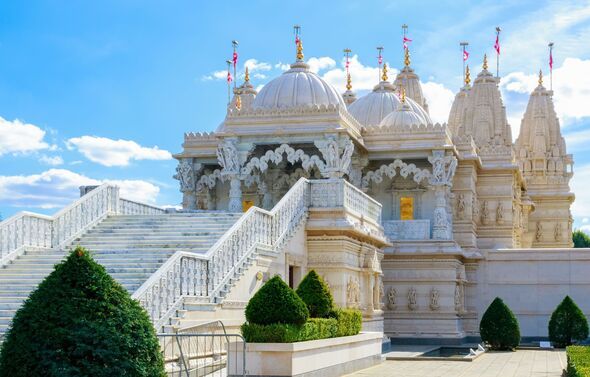
Putting the religious complexities aside, for me as a regular tourist, I must admit that I was impressed. The massive complex spans roughly 4 acres, with the dedicated place of worship - the mandir - constructed from thousands of tonnes of Bulgarian limestone and Italian marble, carved in India and assembled in London. It was built within three years by members of the community, raising more than £10 million to finance it, with no government aid. Anyone is welcome to look around the mandir.
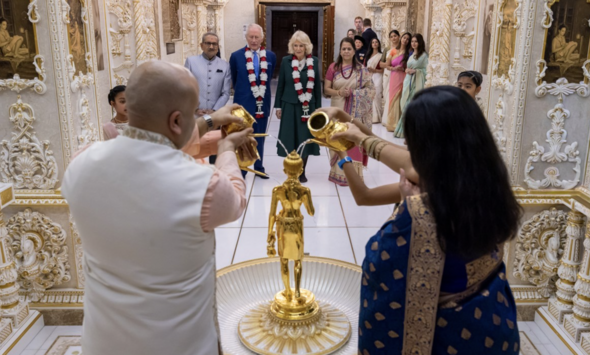
Inside, I witnessed Hindu devotees praying, which I had never seen before. I also witnessed the gentle pouring of water over the Swaminarayan statue, a symbol of devotion.
The complex also has a modern prayer hall and community centre, which is used for sports clubs, yoga, football, badminton, temporary clinics and study groups for both children and adults. You can also visit an exhibition on Hinduism, covering all things Hindu history and philosophy. My personal favourite is the concept of karma - the idea that every action has consequences that will shape your future in this life and beyond.
We ended the culture trip with a classic roti and dal at a nearby Indian restaurant, a grounding meal after a rich experience that made us, yet again, tourists in our own city.