Uttar Pradesh reports major changes in sugar sector, highlights gains for cane farmers
Indiatimes May 06, 2026 12:39 PM
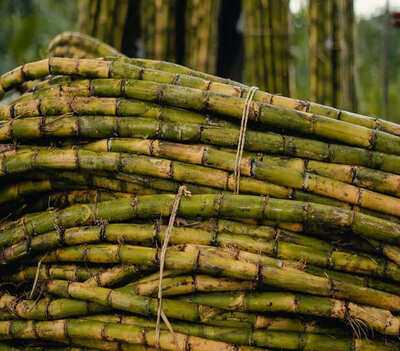 Uttar Pradesh has witnessed a series of developments in its sugar industry over the past several years, with the state government highlighting improvements in farmer payments, industrial capacity, and employment generation.
According to official data, efforts have been made to streamline the payment system for sugarcane farmers, an issue that had remained a point of concern in earlier years due to delays and pending dues. The government states that payments amounting to Rs 3.16 lakh crore have been made to farmers over the past nine years, indicating a shift toward more timely financial settlements.
Alongside payment reforms, the state has also focused on strengthening infrastructure within the sugar sector. The total crushing capacity of sugar mills has reportedly increased to 8.47 lakh tonnes per day. This expansion is aimed at ensuring that harvested sugarcane is processed more efficiently, reducing the risk of crop losses in the fields. Over the same period, a cumulative 9,156 lakh tonnes of sugarcane has been crushed, reflecting higher operational output.
Another aspect of the sector’s transformation involves the revival of previously closed sugar mills. Facilities in regions such as Ramala in Baghpat, Munderwa in Basti, and Pipraich in Gorakhpur have resumed operations after remaining shut for extended periods. Additionally, more than 44 mills have undergone modernization and capacity enhancement, contributing to increased productivity.
The state currently has 122 sugar mills spread across 45 districts. These units collectively support employment for an estimated 10 lakh people, including both skilled and unskilled workers. The expansion and reopening of mills have also created indirect job opportunities in transportation, logistics, and allied services.
Officials note that timely payments to farmers have had a broader economic impact, contributing to liquidity in rural markets. During each crushing season, an estimated Rs 35,000 crore circulates within local economies, supporting trade and consumption.
While these figures point to structural changes in the sector, industry observers often note that sustainability, pricing mechanisms, and long-term profitability remain important factors to monitor as the sugar economy continues to evolve.