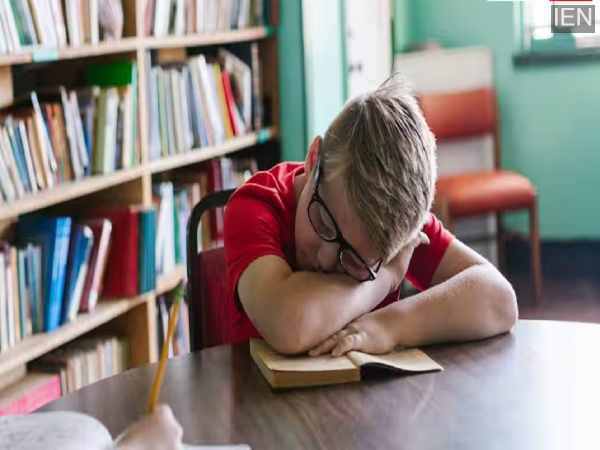
Sleep Break in School: In Japan, sleep is considered essential for both the body and the mind. This is why many schools, colleges, and even offices have provisions for taking a short rest or a “power nap.”
Sleep Break in School: While every country in the world has a unique education system, the educational practices in certain nations often leave people astonished. When it comes to Asian countries, the school systems in several nations frequently become topics of discussion. In schools across many of these countries, children are not merely taught from textbooks; from an early age, they also receive training in discipline, self-reliance, and maintaining a healthy lifestyle. Similarly, in schools in several of these nations, children are allotted time to sleep or rest for a while, in addition to their standard lunch break. It is believed that this keeps the children’s minds refreshed, enabling them to focus better on their studies. So, let us tell you today which countries’ schools provide students with a break specifically for sleeping.
Students in Japanese Schools Get a Sleep Break
In Japan, sleep is regarded as vital for both physical and mental well-being. Consequently, many schools, colleges, and workplaces there have established facilities for individuals to take a brief rest or a power nap. According to reports, students in schools are given a period of 20 to 40 minutes to rest after lunch. It is believed that this allows students to refocus on their studies more effectively, ensuring that their academic work does not feel like a burden. In some instances, if a student happens to fall asleep during class, they are not immediately woken up; instead, this is interpreted as a sign that the child has been working hard and is in need of rest.
A Similar System Exists in Chinese Schools
Beyond Japan, many schools in China also offer students the facility to rest for a short period after lunch. According to various reports and videos that have gone viral on social media, students’ desks within the classrooms are utilized as makeshift beds for this purpose. Children are provided with pillows and sheets to facilitate taking a power nap. Furthermore, in China, children are required to perform warm-up exercises not just once, but twice a day. Schools here allocate a one-hour lunch break, during which students are also permitted to take a short nap after eating.
Fostering Independence in Children in Japan
Japan’s education system is regarded as one of the most disciplined and advanced in the world. Here, children are taught to be self-reliant from a very young age. Schools do not merely focus on academics; they also instill an understanding of responsibilities related to the home and society. Starting from the primary grades, children are taught manners, discipline, respect for others, and the importance of performing their own tasks. From covering their textbooks to completing school projects, students handle most of these responsibilities themselves. In fact, even young children are often encouraged to use public transportation to run errands and purchase necessary items.
Focusing on Holistic Development Alongside Basic Education in China
China’s education system has been meticulously designed to prepare every Chinese individual right from childhood. In fact, alongside basic education, the system places a strong emphasis on other forms of education—including occupational, higher, and adult education. Formal schooling in China begins at the age of six and spans grades one through six.