Mumbai, May 9 (IANS) In a major step towards building Mumbai’s next-generation underground mobility network, the Mumbai Metropolitan Region Development Authority (MMRDA) has achieved a major engineering milestone in the Orange Gate underground road tunnel project, one of the city’s most strategically important east-west connectivity corridors.
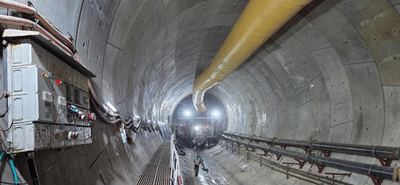
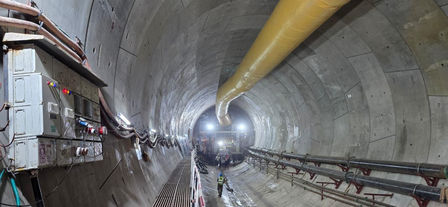
The MMRDA has successfully completed approximately 250 metres of underground tunnelling using advanced Slurry Shield Tunnel Boring Machine technology, along with the installation of permanent segmental tunnel lining rings, a critical structural activity that transforms excavation into permanent operational infrastructure.
The milestone marks the transition from preparatory underground works into sustained full-scale tunnelling operations beneath one of the most densely built urban environments in the country, said the MMRDA release.
With limited scope for large-scale surface road expansion in the island city, underground mobility infrastructure is emerging as a critical solution for unlocking additional transport capacity while preserving urban functionality above ground.
The Orange Gate tunnel project is being developed to create a multi-layered transportation ecosystem for Mumbai, where elevated corridors, metro systems, coastal infrastructure, and underground road networks function as an integrated mobility architecture for a rapidly expanding global megacity.
According to the release, the project alignment passes through one of Mumbai’s most infrastructure-sensitive urban zones, requiring highly calibrated excavation beneath dense built environments and existing utilities while ensuring uninterrupted city operations above ground.
The tunnel is designed to create seamless east-west connectivity, significantly improve travel efficiency, and reduce pressure on key arterial roads.
The Orange Gate underground tunnel project involves the design and construction of a major underground road corridor connecting key parts of Mumbai through a high-capacity subterranean transport system developed beneath densely populated urban areas.
The MMRDA further said the project will enhance east-west connectivity across key urban corridors, reduce travel time from 40 minutes to approximately 5 minutes during peak hours, decongest existing arterial road networks by diverting traffic underground, cut fuel consumption and vehicular emissions, and improve urban mobility efficiency without large-scale surface disruption.
Chief Minister Devendra Fadnavis said, “Mumbai is entering a new era of infrastructure development where future mobility solutions will increasingly move beyond conventional surface transport systems.”
Projects such as the Orange Gate underground tunnel demonstrate the government’s commitment towards building globally benchmarked urban infrastructure that enhances mobility capacity while preserving the city’s operational efficiency above ground, he said.
“This project is an important step towards creating a faster, more connected, and future-ready Mumbai with a tunnel road network called Patal Lok Road Network,” he added.
Deputy Chief Minister and MMRDA Chairman Eknath Shinde stated that Mumbai’s future mobility infrastructure cannot remain limited to surface-level expansion alone.
As the city continues to grow vertically and economically, underground connectivity systems will become increasingly critical for sustaining mobility efficiency and urban resilience.
“The Orange Gate tunnel project represents not merely a transport corridor, but a strategic shift towards creating a multi-dimensional mobility network for the Mumbai Metropolitan Region,” he added.
According to MMRDA Metropolitan Commissioner Dr Sanjay Mukherjee, executing deep urban tunnelling beneath one of the most densely populated city environments in the country requires exceptional engineering precision, planning, and safety management.
This milestone reflects the steady, disciplined progress being made on this transformative infrastructure project.
--IANS
sj/dan