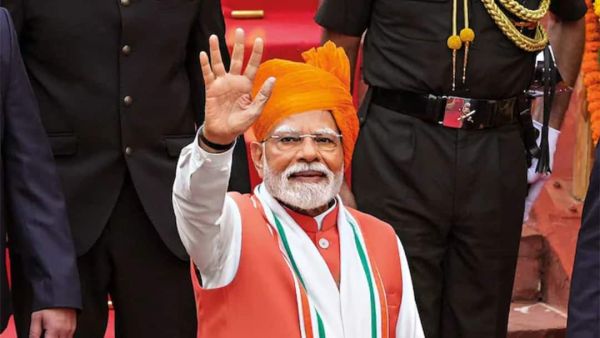
Amid the global oil shock triggered by the ongoing conflict in the Middle East, Prime Minister Narendra Modi on Sunday urged citizens to revive work-from-home practices, reduce fuel consumption and even avoid purchasing gold for weddings for a year in order to help the country conserve foreign exchange reserves.
The appeal comes as global fuel prices have surged sharply following disruptions linked to the Iran conflict, pushing petrol and diesel prices to record highs in several countries, including the United States and neighbouring Pakistan. While Indian consumers have largely been shielded so far, officials indicated that the impact could soon be felt domestically as well.
The Prime Minister’s remarks came amid a sharp rise in global crude oil prices, which have climbed from nearly USD 70 per barrel to around USD 126 per barrel due to escalating tensions in West Asia and disruptions in shipping routes around the Strait of Hormuz, one of the world’s most critical oil transit corridors.
He said India needed collective public participation to minimise the impact of rising global fuel and fertiliser prices caused by international conflicts. “But today, the need of the hour is also to use petrol, gas, diesel and such things with great restraint. We have to use imported petro products only as per need. This will not only save foreign exchange but reduce the adverse impact of war,” PM Modi said.
In one of the strongest appeals during his address, the Prime Minister also urged people to reconsider discretionary spending amid the economic strain caused by rising energy costs.
“I would appeal to people not to buy gold for weddings for one year,” he said.
View this post on Instagram
Expanding his appeal beyond fuel conservation, Modi also urged citizens to reduce edible oil consumption and called on farmers to lower dependence on imported chemical fertilisers.
“The same is true for edible oil. We have to spend foreign currency on its import. If every household reduces the use of edible oil, it is a huge contribution to patriotism... This will improve the health of the national treasury and the health of every family member. Another sector that consumes foreign currency is our agriculture. We import chemical fertilisers in large quantities from abroad... We should reduce our consumption of chemical fertilisers by half and move towards natural farming. This way, we can save foreign currency and our farms and Mother Earth..." PM Modi said.
#WATCH | Secunderabad, Telangana | On the impact of West Asia Conflict, Prime Minister Narendra Modi says, "The same is true for edible oil. We have to spend foreign currency on its import. If every household reduces the use of edible oil, it is a huge contribution to… https://t.co/xn9ZzpG3Vz pic.twitter.com/ph5yh2S0a3
— ANI (@ANI) May 10, 2026
The Prime Minister also linked the global crisis to India’s agricultural imports, noting that large quantities of chemical fertilisers are sourced from abroad.
“Another sector that consumes foreign currency is our agriculture. We import chemical fertilisers in large quantities from abroad,” he said.
“We should reduce our consumption of chemical fertilisers by half and move towards natural farming. This way, we can save foreign currency and protect our farms and Mother Earth,” he added.
The worsening energy crisis has been driven by prolonged instability in the Middle East, which has disrupted shipping routes and intensified concerns over global crude supply.
Nearly 20 per cent of the world’s oil passes through the Strait of Hormuz, where movement has remained heavily affected due to the conflict.
Officials said India responded by increasing LPG production from 36,000 tonnes per day to 54,000 tonnes, diversifying crude imports from countries including Russia, the United States and West African nations, and pushing refineries to operate at over 100 per cent capacity.
The Centre had also earlier reduced excise duties to cushion consumers from the sharp rise in global oil prices.