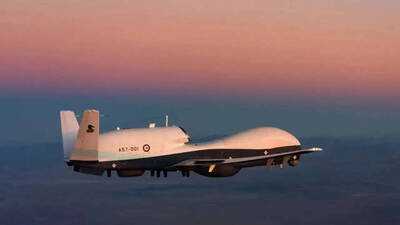
A recent analysis by a major news outlet has revealed a significant uptick in US military intelligence flights near Cuba since early February. Data from FlightRadar24 indicates that both the Navy and Air Force have executed at least 25 missions in this timeframe, utilizing a mix of manned aircraft and drones. Many of these operations occurred within 40 miles of Cuba's shores, allowing for the collection of critical intelligence.
The majority of these missions were conducted by P-8A Poseidon aircraft, designed specifically for reconnaissance and surveillance. Additionally, an RC-135V Rivet Joint, known for its signals intelligence capabilities, was observed on several occasions. The operations also included MQ-4C Triton high-altitude reconnaissance drones.
What stands out in this data is not only the increase in flights but also the sudden onset of these activities, as such visible surveillance had been quite rare prior to February.
The timing of this surge in flights coincides with a notable shift in President Trump's public statements regarding Cuba. In the weeks leading up to the increase in surveillance, Trump shared a comment from a Fox News contributor suggesting he might visit a "free Havana" before his term ended. Shortly after, he imposed an oil blockade on Cuba.
Since that time, the administration has broadened its sanctions against Cuba, labeling the nation a "threat" to US national security. Cuban officials have firmly rejected these claims, asserting that their government does not pose any danger to the US, while also expressing a willingness to engage in dialogue. They have warned that any military aggression would be met with strong resistance.
Analysts are particularly interested in how this situation mirrors previous military actions taken by the Trump administration. For instance, prior to a US strike on a suspected drug vessel in Venezuela, Trump made pointed remarks about President Nicolas Maduro, followed by an increase in surveillance flights off Venezuela's coast. This pattern continued until US special forces captured Maduro earlier this year.
A similar scenario unfolded with Iran, where extensive surveillance was conducted before joint US and Israeli military strikes. The same aircraft types are now being deployed near Cuba, indicating a consistent approach to military intelligence gathering.
Cuban authorities have responded to these developments by reiterating that they do not pose a threat to the US and are open to negotiations. However, they have also made it clear that they are prepared to resist any military actions. The Cuban government has dismissed Trump's characterization of the nation as a national security threat as unfounded.
It remains uncertain whether the increased surveillance flights signify genuine preparations for military action, a strategy to exert pressure for negotiations, or a combination of both. However, the flight data indicates that the US is closely monitoring activities on and around the island.