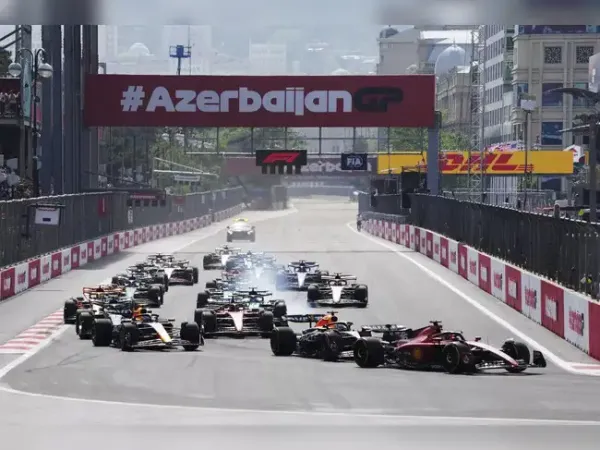
Formula One is preparing for major engine regulation changes from 2027 after growing criticism from drivers, teams, and fans over the future direction of the sport. The planned tweaks are expected to focus on improving racing quality, reducing excessive energy-saving, and making the cars easier and more exciting to drive. One of the biggest expected changes involves reducing the reliance on electric power in the hybrid engines. Current proposals suggest F1 could move away from the controversial 50-50 split between electric and combustion power that is planned for the next generation of engines. Instead, officials are considering increasing the contribution from the internal combustion engine to create faster and more aggressive racing.
The FIA is also reportedly reviewing fuel flow limits and battery deployment systems to avoid situations where drivers are forced to slow down dramatically during races to conserve energy. Another possible adjustment includes simplifying certain engine systems to reduce costs and improve reliability. The changes are expected to be discussed further before final approval.
FIA, Formula One teams, and engine manufacturers reportedly reached a preliminary agreement during Friday’s meeting to accelerate planned engine regulation changes ahead of next season. The proposal still requires official approval from governing bodies before it can be finalized. The discussions focused on introducing revised power units sooner than expected, with manufacturers expected to make significant modifications to both the engines and car designs. One of the key challenges involves adapting chassis structures to support larger fuel tanks, making quick cooperation between all parties essential.
"The measures agreed in principle today for 2027 would see a nominal increase in internal combustion engine (ICE) power by (tilde) 50kW alongside a fuel-flow increase and a nominal reduction of the energy recovery system (ERS) deployment power by (tilde) 50kW," the FIA statement said.
Following the meeting, technical experts are expected to conduct a deeper evaluation of the proposed adjustments before the package moves through Formula One’s official approval process. The proposals will first be reviewed by the F1 Commission and the Power Unit Advisory Committee before heading to the FIA World Motor Sport Council for final clearance.
CHANGES EXPECTED IN F1 ENGINES FROM 2027
The planned changes are aimed at reducing the heavy energy management currently required from drivers during races. Under the existing engine concept, power delivery is evenly split between the internal combustion engine (ICE) and electric energy, creating situations where drivers must constantly manage battery usage throughout each lap. That system has often produced unusual racing patterns and sudden position changes, leaving several drivers unhappy and also raising safety concerns because of major speed differences between cars on track.
From 2027, Formula One is expected to shift the balance more toward traditional combustion power with a proposed 60-40 split favoring the ICE. The adjustment would come through higher fuel flow to the combustion engine while reducing the hybrid system’s output from 350kW to 300kW.
The planned updates are aimed at addressing concerns surrounding future engine performance, energy management, and overall racing quality as Formula One prepares for a new era of regulations.
The FIA is also reportedly reviewing fuel flow limits and battery deployment systems to avoid situations where drivers are forced to slow down dramatically during races to conserve energy. Another possible adjustment includes simplifying certain engine systems to reduce costs and improve reliability. The changes are expected to be discussed further before final approval.
FIA, Formula One teams, and engine manufacturers reportedly reached a preliminary agreement during Friday’s meeting to accelerate planned engine regulation changes ahead of next season. The proposal still requires official approval from governing bodies before it can be finalized. The discussions focused on introducing revised power units sooner than expected, with manufacturers expected to make significant modifications to both the engines and car designs. One of the key challenges involves adapting chassis structures to support larger fuel tanks, making quick cooperation between all parties essential.
"The measures agreed in principle today for 2027 would see a nominal increase in internal combustion engine (ICE) power by (tilde) 50kW alongside a fuel-flow increase and a nominal reduction of the energy recovery system (ERS) deployment power by (tilde) 50kW," the FIA statement said.
Following the meeting, technical experts are expected to conduct a deeper evaluation of the proposed adjustments before the package moves through Formula One’s official approval process. The proposals will first be reviewed by the F1 Commission and the Power Unit Advisory Committee before heading to the FIA World Motor Sport Council for final clearance.
CHANGES EXPECTED IN F1 ENGINES FROM 2027
The planned changes are aimed at reducing the heavy energy management currently required from drivers during races. Under the existing engine concept, power delivery is evenly split between the internal combustion engine (ICE) and electric energy, creating situations where drivers must constantly manage battery usage throughout each lap. That system has often produced unusual racing patterns and sudden position changes, leaving several drivers unhappy and also raising safety concerns because of major speed differences between cars on track.
From 2027, Formula One is expected to shift the balance more toward traditional combustion power with a proposed 60-40 split favoring the ICE. The adjustment would come through higher fuel flow to the combustion engine while reducing the hybrid system’s output from 350kW to 300kW.
The planned updates are aimed at addressing concerns surrounding future engine performance, energy management, and overall racing quality as Formula One prepares for a new era of regulations.