In India, marriage has traditionally been viewed as a union of two families and their cultures. However, over time, the dowry system has transformed this sacred bond into a transactional affair in many instances. Recently, a wedding in Bhind district, Madhya Pradesh, has emerged as a beacon of hope, promoting a new perspective on this issue.
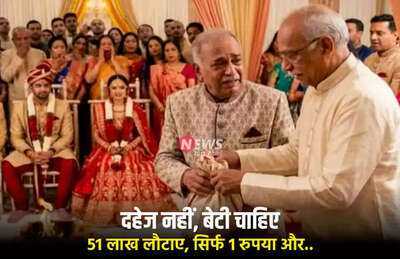
The wedding ceremony in Bhind was in full swing, with guests present and rituals being performed joyfully. Everything seemed normal until the groom's father made a surprising decision that left everyone astonished. He returned the entire dowry amount of 51 lakh rupees with dignity, accepting only one rupee and a coconut, which is considered auspicious.
The groom's father emphasized that marriage should not be viewed as a business deal. Instead, it represents the merging of two families and their values. This decision was not a spur-of-the-moment choice but rather a culmination of years of thought. He expressed that they were not bringing a daughter-in-law into their home, but rather a daughter.
In many regions of the country, families still find themselves burdened by the financial strain of dowry. This practice often leads to social and mental distress. In this context, the father's decision sends a powerful message that changing mindsets can lead to a transformation of traditions.
This incident is not merely about returning money; it symbolizes a mindset that can guide society toward a better future. If more families adopt such thinking, practices like dowry can gradually be eradicated.