Not long ago, the average Indian night out looked pretty predictable. A bottle of whiskey on the table, maybe some soda and ice, and if you were feeling fancy, a glass of wine. Cocktails, when they appeared at all, were the sugary kind, lurid colored things with fruit skewers and far too much syrup. Nobody was talking about fermentation profiles or house-made bitters or locally sourced kokum. But something has shifted. Walk into any good bar in Delhi, Mumbai, Bengaluru, or even a city like Indore or Kolkata today, and the experience is almost unrecognizable from what it was five years ago. India is in the middle of a full-blown cocktail revolution, and it is moving fast.
Consider the scale of India’s bar scene. A March 2026 report by the India Brand Equity Foundation (IBEF) reveals over 65,000 bars in India, despite complex and state-varying alcohol regulations. The Indian cafes and bars market is expected to grow from USD 20.51 billion in 2026 to USD 31.47 billion by 2031, as per a 2025 Mordor Intelligence report. Bars and pubs have grown by approximately 23% compared to 20% in cafes between 2015 and 2017, with growth accelerating beyond metros like Delhi, Mumbai, Bengaluru, and Goa to cities like Kolkata, Hyderabad, and Pune. Urbanisation, rising disposable incomes, and evolving social norms embracing alcohol among younger generations drive this growth. Trained mixologists and craft cocktail bars enhance quality and creativity, while social media, travel influencers, and curious Indian drinkers fuel this boom.
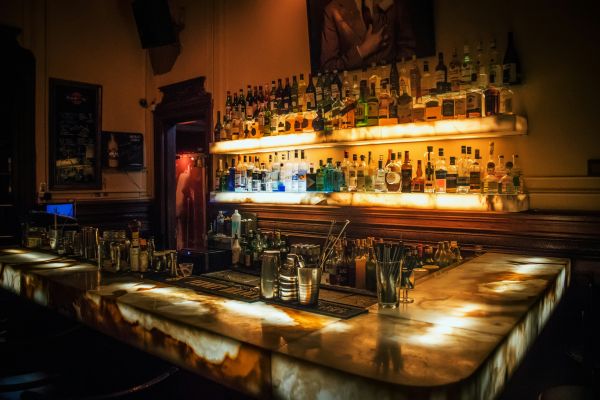
For most of India’s drinking history, the best bars were in hotels. The five-star hotels had the licenses, the budgets, and the bartenders. Everything else was somewhat of an afterthought. What changed the game was the rise of the standalone cocktail bar, places built around craft rather than convenience, where the menu was a statement, and the bartender was the point.
Yangdup Lama, along with a handful of others, helped shape India’s craft cocktail culture. His bars, often called “bartender’s bars”, are creative hubs prioritizing craft over spectacle, drawing on Himalayan heritage and local produce. He co-owns award-winning venues like Sidecar, The Brook, and The Old House in Nepal. Sidecar’s ascent is emblematic of the whole movement: Delhi’s Sidecar became the first Indian bar to rank on Asia’s 50 Best Bars in 2020, entering at number 40. In 2021, it made its debut on the World’s 50 Best Bars at number 47. That single moment of global recognition changed how international mixologists viewed India and opened a door that has never quite shut since.
Today, India has five bars on Asia’s 50 Best Bars 2025: Lair in New Delhi at number eight, Soka in Bengaluru at number 28, Boilermaker in Goa at number 30, ZLB23 in Bengaluru at number 31, and Bar Spirit Forward in Bengaluru at number 37. Five bars. On a global list. That is not a fluke; that is a scene.
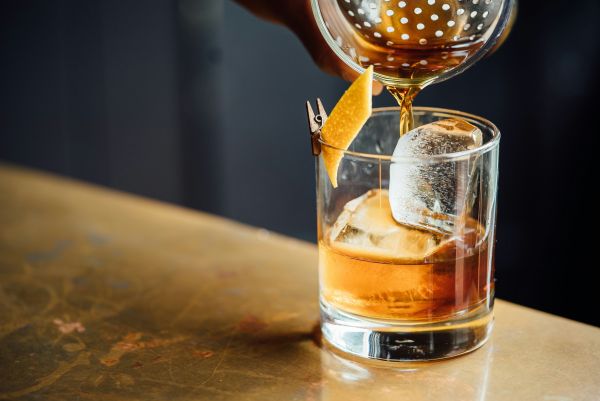
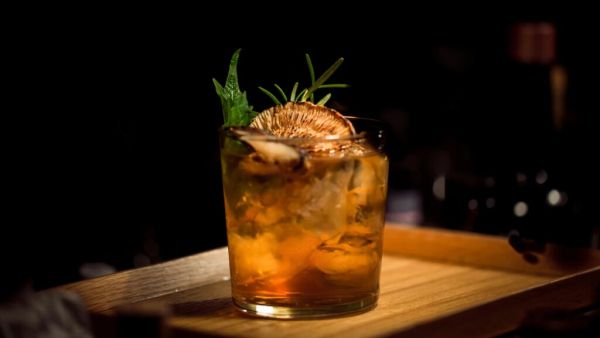
The cocktail culture boom is not just about more bars. It is about a fundamentally different approach to what gets made and served. There is a visible shift toward celebrating Indian-grown ingredients and homegrown brands rather than relying only on imported products. The modern Indian palate appreciates heat, acidity, and complexity, and that is directly influencing what is being created behind the bar. Guests are increasingly drawn to drinks that feel vibrant, layered, and slightly adventurous, especially when they incorporate green chilli, kokum, curry leaf, tamarind, or regional citrus.
Techniques have also evolved dramatically. Bartenders are embracing traditional and modern methods of flavor extraction, preservation, and application, fermentation, pickling, distillation, cold-pressing, infusion, and sous vide, to craft distinctive syrups, tinctures, and bitters from local, seasonal ingredients. Techniques like fat-washing and smoking add depth, while fermentation brings tangy notes and intriguing textures.
The revival of regional spirits such as feni and mahua further enables bartenders to create innovative cocktails that celebrate India’s cultural heritage. Indian craft spirits like Amrut and Stranger & Sons have introduced unique flavors rooted in local ingredients, embedding Indian culture into mixology through storytelling. These are no longer novelties on a menu. They are the main event.
One of the most interesting developments in Indian drinking culture over the past few years has been the rise of the bar takeover, or guest shift. The concept is simple: a visiting bartender or team takes over a venue for one evening with a special, limited-edition menu. What began as a friendly exchange between industry colleagues has become one of the cocktail world’s most effective marketing formats.
PCO Delhi hosted 25 to 30 times takeovers in 2025, a number founder Rakshay Dhariwal says has tripled since 2021 and 2022. Across his portfolio, three to four takeovers took place in April 2026 alone. In Kolkata, AMPM has hosted one every month since 2023.
The financial logic is real. A standalone bar can make around ₹50,000 to ₹60,000 more during a bar takeover than on a regular night. Hotel bars typically see a 20 to 30 percent uplift in beverage revenue, alongside higher average check sizes and incremental footfalls from new audience segments. But the benefits are not only transactional. At PCO Delhi, a successful bar takeover has led to a sustained 10 to 20 percent uplift in overall sales for two to three weeks, driven by recall, word of mouth, and repeat visits from guests who couldn’t attend but want to experience the menu or the buzz around it.
International talent has also started flowing in. Loya at Taj Palace in New Delhi hosted international bars, including Hope & Sesame from Guangzhou, The Cocktail Club from Jakarta, The Aubrey from Hong Kong, El Lequio from Okinawa, Aruba from Mexico, and Hemant Pathak from New York, in 2025 alone. The flow goes both ways: Indian bars are doing takeovers abroad, and the bar takeover format has become a quiet engine for cross-cultural flavor education on both sides.
The rise of zero-proof cocktails marks a significant evolution in India’s cocktail culture, moving beyond the outdated mocktail. These drinks are crafted with the same care and precision as traditional cocktails, often requiring more skill. At Barbet & Pals in Delhi, co-founder Jeet Rana emphasizes, “We don’t treat zero-proof cocktails as mocktails. For us, they’re proper drinks, just without alcohol.” The structure, including balance, acidity, and finish, remains intact. Bars are using house ferments like kombucha and mead to add dryness and acidity, avoiding overly sweet drinks. This trend aligns with younger consumers, particularly Gen Z, who drink more mindfully, alternating between alcoholic and non-alcoholic options. In India, where many abstain from alcohol for cultural or religious reasons, strong non-alcoholic offerings make bars more inclusive and boost revenue. A well-curated zero-proof menu now sets apart exceptional bars.
India’s cocktail scene is rapidly evolving, raising sustainability concerns. City-level saturation is evident when ten new bars open in six months, overwhelming communities with frequent events. As the scene matures, maintaining identity and quality amid numerous new openings is crucial. However, the foundations are strong, driven by passion over profit, focusing on customer experience and social connection. Local flavors add a unique touch, reflecting India’s culinary diversity. This blend of craft, curiosity, and cultural roots distinguishes trends from lasting phenomena. Indian drinkers have evolved beyond the bottle-on-the-table era, engaging with menus, seeking zero-proof options, and appreciating diverse experiences.