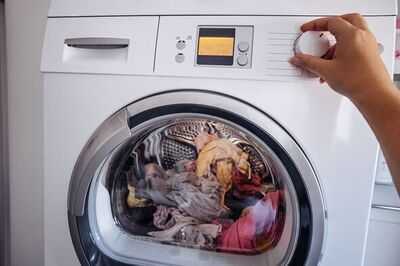
A ban on the sale of new, incondenser and vented tumble dryers will be introduced in UK regulations "as soon as time allows". The Government is setting minimum energy performance standards as part of updated Ecodesign legislation proposed by Energy Secretary Ed Miliband.
It aims to reduce residential energy consumption, thereby protecting consumers from high operating costs. These regulations are set to raise standards for household tumble dryers and make them more efficient.

To find out if your tumble dryer is on the way out, Which? has highlighted six things to know ahead of the ban.
As part of a wider net zero push, these regulations have been created to align more closely with the current EU standards for appliance efficiency.
Justin Macmullan, Which? Principal policy adviser, says: "Ultimately, phasing out inefficient tumble dryers is a win for households. Raising efficiency standards drives innovation and cuts household energy bills. The slightly higher upfront costs of heat pump tumble dryers are already quickly offset by lower running costs, and well-targeted standards can often help drive these prices down further.
"The government should continue to set clear timetables for raising standards to remove the least efficient models from sale, backed by clear energy labelling so consumers can easily choose the best option. Crucially, as older models are phased out, manufacturers must guarantee spare parts and support for the expected lifetime of those machines."
The main difference between a condenser dryer and a heat pump dryer is the method they use to dry your clothes. However, the trade-off for longer programs, though, is much lower energy use.
Rebecca Jakeman, Which? laundry expert said: "I think it's about time consumers were better protected against inefficient appliances that really ramp up energy bills, and these new regulations are very well-placed to do that. Fearmongers will try to persuade you that heat pump dryers are overpriced, expensive to run or even dangerous - but none of those things are true."