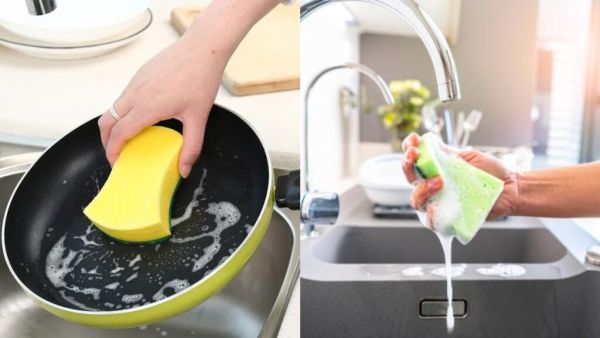
A kitchen sponge may seem like a small thing, but it plays a big role in the cleanliness and health of your kitchen. Sponges are used daily to wash dishes, clean kitchen slabs, remove oil and food stains. Due to this, it is constantly exposed to water, oiliness, soap and small particles of food. The constant wetness causes bacteria to grow very quickly in the sponge. Many people keep using the same sponge for months and think that soap cleans it, but instead of cleaning, the old sponge starts spreading dirt and germs. These same bacteria can spread on pots, plates and other items in the kitchen. If the sponge is not changed on time, there can be serious health consequences.
Heart attack: What is a silent heart attack? What are the symptoms?
It is generally considered best to change a sponge every one to two weeks. If you have a large family, more dishes, or a sponge that is constantly wet, it may need to be changed more often. Frequent use accumulates dirt on the sponge. Because the sponge is constantly wet, bacteria accumulates inside it.
If your kitchen sponge starts to smell sour or strange, it means it has bacteria. Many people simply wash and reuse such sponges, but using smelly sponges is considered harmful to health. Small food particles trapped in the sponge and constant moisture promote bacterial growth. This is why it should be replaced immediately.
A Cracked Sponge When a sponge begins to crack, lose its shape, or become soft and brittle, it is no longer suitable for scrubbing dishes. Such sponges do not clean dishes properly and can spread dirt on other items. Therefore, do not use the sponge until it is completely worn out. Change it on time.
If you want to keep your kitchen cleaner, use different sponges for different tasks. A separate sponge for washing dishes, a separate one for cleaning the kitchen counter and a separate sponge for cleaning up excess dirt. This will prevent dirt from spreading from one area to another.
After using the sponge, rinse it thoroughly and store it in a dry place. If the sponge stays wet, bacteria will grow faster on it. Many people keep their sponges in the corner of the sink, where they are constantly wet. This can cause them to spoil quickly. Try to squeeze it after use and store it in a dry place.
Curry Leaves: Weightloss to Blood Sugar Control; Curry leaves are a boon to health, read the amazing benefits