The sci-fi dream of flying robots dropping shopping on your doorstep is finally a reality in the UK. But with the nation already fuming over lost, stolen, and battered parcels, terrified Brits are asking: is this a brilliant revolution, or a recipe for total disaster?
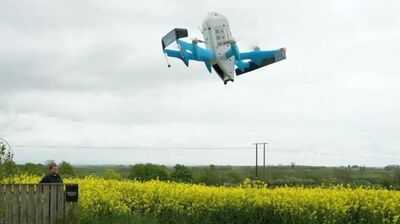
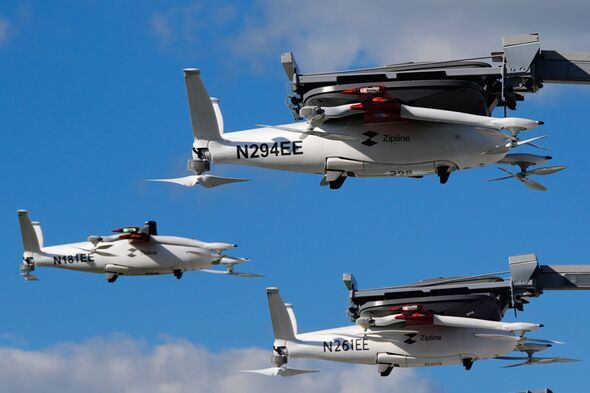
Retail giant Amazon this month quietly kicked off a limited launch of up to 100 drone deliveries a day with 'guinea pig' residents in Darlington, County Durham, now able to get their goodies blasted to their homes in under two hours.
But the futuristic launch comes at a time of peak parcel rage. Late last year, a shocking one in three Brits reported a nightmare issue with their latest delivery, whilst thefts from so-called porch pirates have soared. Now experts are sounding the alarm over what happens when these flying machines fail to deliver your parcel as expected.
HMRC confirms £17 extra tax charges for state pensioners every month
Abandoned UK shopping village left to rot after all 40 stores close down
Experts say the drones could theoretically be skyjacked through physical interception or high-tech cyber hacking. While physically grabbing an autonomous 40kg aircraft mid-air is deemed to be incredibly difficult and dangerous, cybersecurity experts have warned that malicious actors could potentially jam GPS signals or hack into the drone's guidance systems. And as they become more common, the more eager criminals will be to find ways to intercept.
To prevent skyjacking and cargo theft, Amazon and other regulators have implemented strict security measures and protocols, using highly encrypted and secure communication channels with their ground-based autonomous flight decks to prevent unauthorised remote takeover.
They say if a drone is breached, loses its signal, or goes severely off-course, autonomous "fail-safe" protocols trigger, which include immediately returning to the nearest designated launch site or landing in a safe, unpopulated area.
But insurance gurus at Bionic have warned that this brave new world of delivery could still bring a massive headache when it comes to finding out who exactly is to blame when things go wrong?
Laura Court-Jones, an insurance expert at the small business comparison site, warns that the rules of the sky are still totally up in the air.
"Unlike traditional courier services where liability is well-established, they introduce new risks," she warned. "Who holds responsibility if a parcel is lost, stolen, or damaged? Is it the retailer, the delivery provider, the customer, or the technology?"
She added that Brits need to brace for teething problems as companies scramble to write the rulebook on compensation for drone-dropped disasters.
Terrified your next order might end up in a tree or snatched by a chancer? The boffins at Bionic have revealed four golden rules to keep your sky-deliveries safe:
1. CHECK YOUR POSTCODE: Don't expect a drone if you live in a concrete jungle! Not all homes will make the cut, especially in built-up areas or restricted skies. Amazon's Darlington drones are currently strictly caged to a 12km radius around their hub. Check the courier's website before you get your hopes up.
2. COVER YOUR BACK: Sure, drones are fast, but what if they crash? Always opt for tracked or insured delivery to shield yourself against loss, theft, or damage. But read the fine print-check your own policy to see exactly what sky-related mishaps are actually covered!
3. CLEAR THE RUNWAY: Forget hiding parcels behind the wheelie bin. Drones can't exactly knock on your neighbour's door! You'll need a designated, secure landing zone-like a wide-open garden or driveway-to stop thieves from swooping in.
4. KEEP YOUR RECEIPTS: If your delivery goes horribly wrong, you're going to need ammo. Hoard those order confirmations and receipts! It'll make claiming a refund or a replacement from the retailer a thousand times easier if your parcel takes a nasty tumble.