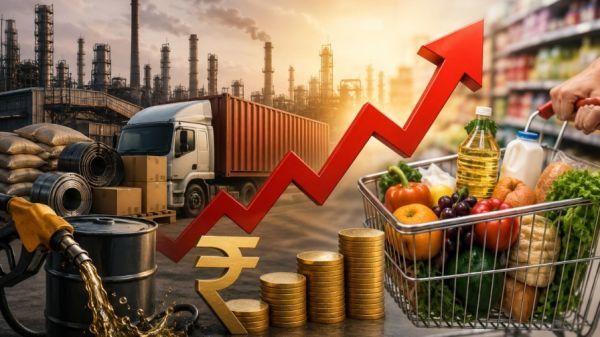
At present, a very different situation is being seen in India regarding inflation. On one hand the expenses of factories and businesses are increasing rapidly but on the other hand the common people are not yet feeling its full impact. This is the reason why at present there has been a big gap between wholesale and retail inflation. In April 2026, the Consumer Price Index (CPI) stood at around 3.48% while the Wholesale Price Index (WPI) suddenly increased to 8.3%. This means that the pressure of inflation on companies and producers has increased a lot, but its full effect is not yet visible in the shops and market.
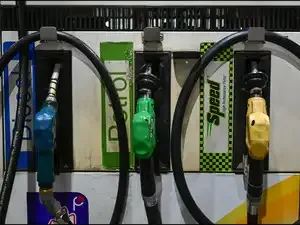
Companies are having to spend more than before to make goods. Oil has become expensive, transportation costs have increased and factory costs have also gone up, but right now the companies are not passing it on directly to the customers. This is the reason why retail inflation seems to be under control at present. Experts believe that if this situation continues for a long time, it may directly impact the pockets of common people in the coming months.
Retail inflation is where everyday things start getting costlier for common people. This gives an idea of how expensive food items, rent, electricity bill, transport, school fees and other daily essentials are becoming. The overall retail inflation rate in April 2026 was around 3.48%. Whereas the food inflation rate was around 4.20% and the housing inflation rate was around 2.15%. This means that at present there is not a very sharp increase in the expenditure of common people. This is the reason why the Reserve Bank of India (RBI) does not seem to be too worried about inflation right now because its focus remains on retail inflation.
Wholesale inflation reflects business and factory level inflation. In this it is seen how much the companies are incurring in making the goods. This includes things like fuel, raw materials, electricity, transport, industrial inputs and manufacturing costs. Its effect was seen in the fuel and power category, where the inflation rate was around 24.71%. Whereas products to petroleum and natural gas saw a rise of up to 67.2%. This simply means that the expenses of the companies are increasing very rapidly and making goods has become much more expensive than before.
Reuters report states that the government and oil companies are not yet passing the entire burden directly onto the people. Apart from this, many companies are also running their business by reducing their profit margins so that customers are not affected much and sales remain intact. That means at present the businessmen themselves are facing some pressure. For this reason, retail inflation currently appears to be under control. If oil prices remain high for a long time, then companies can gradually start increasing the prices of goods and then its effect will be directly visible on the common people.
Right now the Reserve Bank of India seems to be in some relief because the retail inflation rate remains below its target of 4%. At the same time, wholesale inflation is indicating the pressure to come. If CPI also starts increasing rapidly in the coming months then RBI may increase interest rates. This can directly impact the loan and EMI. Home loans, car loans and business loans may remain expensive in the long run and people may have to wait longer for cheaper EMIs.