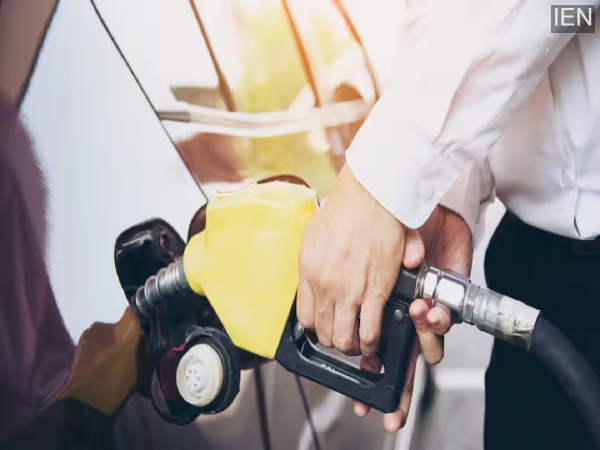
Petrol Pump Fraud: Complaints regarding short-filling of fuel or fuel adulteration frequently surface at petrol pumps. These fraudulent acts are often executed with the help of electronic chips or other deceptive tricks.
Petrol Pump Fraud: Complaints of fraud at petrol pumps are a recurring issue. Most people complain that they do not receive the full quantity of fuel corresponding to the money they pay. Additionally, there are frequent complaints regarding fuel adulteration. To avoid falling victim to such scams, it is crucial to remain vigilant yourself. Nevertheless, pump employees are often caught engaging in malpractice—either by distracting customers with conversation or by employing other deceptive methods. Today, we will explain how petrol pump machines are tampered with and how you can detect such fraudulent activities.
How Does the Tampering Occur?
The Use of Electronic Chips: According to reports, pump employees often install electronic chips inside the dispensing machines. Controlled via a remote device, this chip ensures that the meter display shows the correct reading, while the actual quantity of fuel dispensed into the vehicle is significantly less. Consequently, the customer is forced to pay the full amount, yet fails to receive the corresponding quantity of petrol or diesel in return.
The ‘Zero’ Scam: This is arguably the simplest and most common method of fraud perpetrated at petrol pumps. In this scheme, the employee begins dispensing fuel without first resetting the machine’s meter to zero. As a result, the previous customer’s reading gets added to your bill, forcing you to pay a higher amount even though your vehicle has not received that full quantity of fuel.
The ‘Jump’ Trick: This method of fraud is also quite prevalent. It involves the meter reading “jumping” abruptly. That is, the digital display showing the price does not progress sequentially—incrementing from 0 to 2, 3, 4, 5, and so on—but instead jumps directly to higher figures, such as 10, 20, or 30. This results in a lower quantity of fuel being dispensed, while the full payment is collected. Under this scheme, a customer purchasing 10 liters of fuel could incur a financial loss of up to approximately ₹100.
What Are the Techniques to Avoid Such Fraud?