A Victorian-era disease is ripping through the UK with 542 cases detected so far this year. The UK Health Security Agency (UKHSA) has released a detailed breakdown of the cases, including the number confirmed each month this year and the cities where they were identified.
It has been confirmed that 542 cases of measles, which is referred to as a Victorian-era disease because it was a common illness during the 19th century, were detected between January 1 and May 11 this year. Meanwhile, 959 cases were confirmed in 2025 while 2,911 cases were detected in 2024 - the highest number of cases recorded annually since 2012. Measles is highly contagious and requires around 95% vaccine coverage for herd immunity but rates remain low for children in many parts of the UK.
According to the UKHSA, 106 cases were confirmed in April, 142 in February, 141 in March and 142 in April. A further 11 cases were detected up until May 11.
HMRC confirms £17 extra tax charges for state pensioners every month
Abandoned UK shopping village left to rot after all 40 stores close down
Of the 542 cases, 349 (64%) were identified in children aged 10 years and under. Meanwhile, 165 (30%) were in people aged 15 and over.
In terms of location, 309 (57%) were found in London while 116 (21%) were discovered in the West Midlands. A further 52 cases (10%), have been detected in the North West of England.
More specifically, 100 cases have been found in Enfield, 76 in Birmingham and 44 in Islington. The Haringey, Camden, Barnet and Hackney boroughs of London are also among the worst-affected, with 43, 16, 13 and 13 cases respectively.
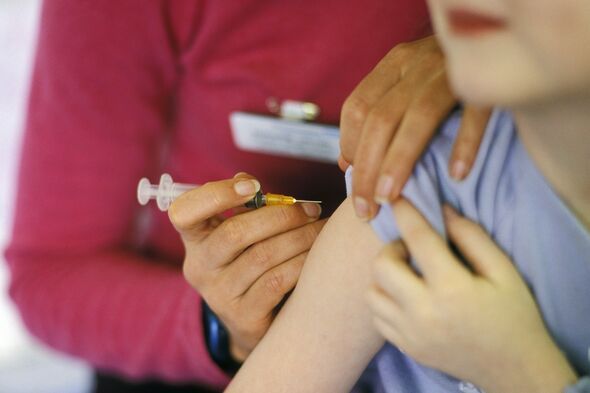
The UKHSA is urging parents to check their children's MMR vaccination status. Two doses of the MMR vaccine provide lifelong protection against the disease.
The NHS advises: "The MMRV and MMR vaccines can prevent measles. Both vaccines also protects you from mumps and rubella, and the MMRV vaccine also protects you from chickenpox.
"The MMRV vaccine is offered to all young children in the UK. The MMR vaccine is recommended for adults and older children if they were not vaccinated when they were younger.
"Ask at your GP surgery if you're not sure you or your child have had either of these vaccines. Your GP can vaccinate you for free on the NHS."
Data shows that only around 84% of children in the UK receive both doses by the age of five. This is below the 95% herd immunity threshold recommended by the World Health Organisation.
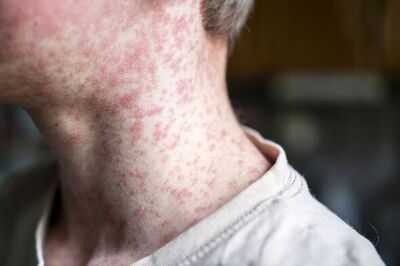
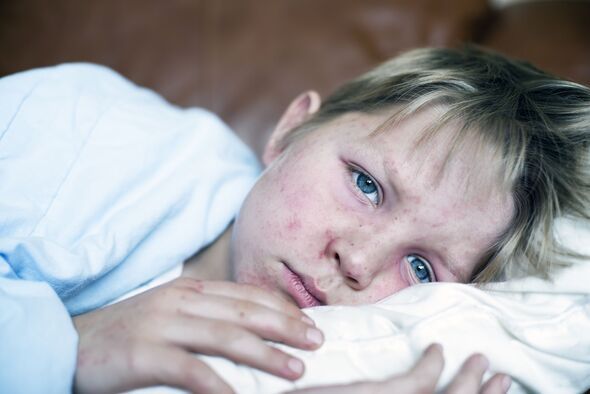
The viral infection causes a distinctive skin rash and severe flu-like symptoms. While it usually clears up on its own, it can lead to life-threatening complications like pneumonia and brain inflammation.
Measles lives in the nose and throat of infected people and spreads through the air when they breathe, cough or sneeze. A person is contagious from four days before the rash appears until four days after.
The NHS says: "Measles is an infection that spreads very easily and can cause serious problems in some people. Having the MMRV or MMR vaccine is the best way to prevent it."
You should call 111 if:
The health service adds: "Measles can spread to others easily. Call your GP surgery before you go in. They may suggest talking over the phone or arrange for you to come to a part of the surgery where you're separated from others."
You should call 999 if you or your child has measles and: