US Extends Sanction Waiver On Russian Oil By 30 Days To Aid Vulnerable Nations
Sneha May 19, 2026 02:11 AM
The US Treasury on Monday extended for another 30 days a sanctions waiver allowing the purchase of Russian seaborne oil, aiming to support “energy-vulnerable” nations affected by disruptions in Gulf oil supplies amid the ongoing US-Israel-Iran conflict, Reuters reported.
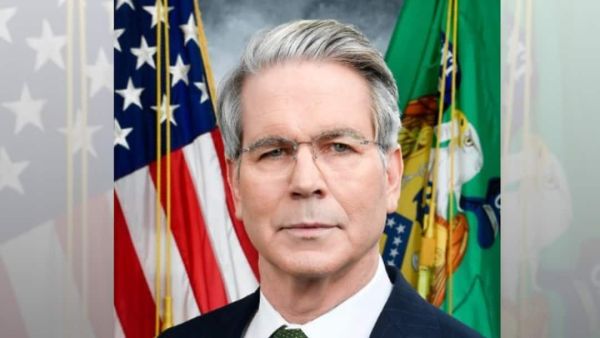
US Treasury Secretary Scott Bessent said the fresh general license was issued after the previous waiver expired on Saturday. The extension will temporarily allow access to Russian oil and petroleum products stranded on tankers without breaching strict US sanctions imposed on Russian energy firms.
Extension Sought By Poorer Countries
According to a source familiar with the matter, the extension was sought by poorer countries facing difficulties in securing Gulf oil shipments due to the closure of the Strait of Hormuz during the conflict.
“This extension will provide additional flexibility, and we will work with these nations to provide specific licenses as needed,” Bessent said in a post on X. He added that the move was intended to stabilise global crude markets and ensure oil supplies reach the countries most dependent on imported energy.
Bessent also said the waiver would help redirect existing supplies to countries in urgent need, enabling them to compete with China for previously sanctioned Russian oil cargoes.
This marks the second time the Treasury has allowed the waiver to expire before renewing it. The exemption was first introduced in March to ease global supply shortages and control oil price spikes triggered by the US-Israeli strikes on Iran.
While the waivers have had limited impact on reducing oil prices, they have benefited countries such as India, which was among the largest buyers of Russian oil before Washington tightened sanctions on Moscow over the Ukraine war.
Brent Crude Rose 1.5%
On Monday, Brent crude futures rose around 1.5 per cent to nearly $111 a barrel amid continuing concerns over tight global supply as the Strait of Hormuz remained shut.
Oil prices had briefly declined earlier in the day following reports by an Iranian news agency claiming the US was considering temporarily easing sanctions on Iranian oil during peace talks. However, CNBC later reported, citing a US official, that the claim was false. Reuters said it could not independently verify the report.
Speaking from Paris during a meeting of G7 finance leaders, Bessent urged allied nations to strengthen enforcement of sanctions against Iran.
“We call upon all our G7 allies and partners across the world to follow the sanctions regime so that we can crack down on the illicit finance fueling the Iranian war machine,” he told reporters.