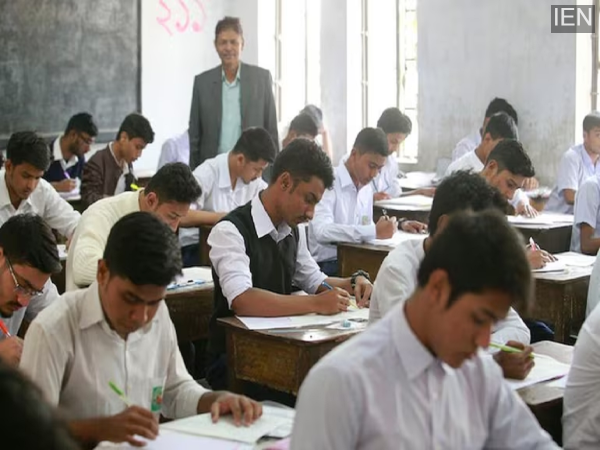
Central Board of Secondary Education has responded to the growing controversy surrounding the Class 12 Board Result 2026 after thousands of students, parents, and teachers raised concerns over unexpectedly low marks in key subjects.
According to the board, this year’s evaluation process focused more on conceptual understanding and analytical thinking rather than memorized or rote-learned answers. CBSE officials stated that students who demonstrated proper subject understanding received higher marks, while formula-based or memorized responses were not rewarded in the same way as previous years.
Since the declaration of results, social media platforms have been flooded with complaints from students, especially those from the Science stream.
Many students claimed that despite performing well in examinations, their final scores were much lower than expected. The biggest concerns came from students of:
Several candidates who scored between 95 and 99 percentile in JEE Main reportedly received less than 75% marks in their CBSE Class 12 results, triggering widespread debate over the evaluation process.
Students and parents blamed the newly implemented Online Scoring Mechanism (OSM) for the decline in marks. However, CBSE defended the system during a press conference held on May 17.
The board clarified that the evaluation process remained:
Officials stated that the marking scheme was prepared by subject experts and examiners were instructed to give preference to:
rather than repetitive textbook-style responses.
CBSE admitted that scores in several subjects were lower compared to previous years.
| Year | Pass Percentage |
|---|---|
| 2025 | 88.39% |
| 2026 | 85.20% |
The overall pass percentage dropped by nearly 3%.
According to the board, the biggest decline in marks was seen in:
| Subject | Impact |
|---|---|
| Physics | Lower scoring trend |
| Chemistry | Tough evaluation |
| Mathematics | Reduced high scores |
| Accountancy | Stricter marking |
| Economics | Lower grade cut-offs |
Education Ministry School Education and Literacy Secretary Sanjay Kumar stated that cut-offs in these subjects fell by 1 to 3 marks compared to previous years.
Students also noticed that Grade A1 in several subjects started from 85 marks this year, which is considered significantly lower than previous years.
Experts believe this indicates:
While Science and Commerce students faced stricter marking, Humanities students reportedly performed comparatively better this year.
CBSE officials indicated that performance trends in Humanities remained relatively stable compared to recent years.
The board has assured students that those dissatisfied with their marks can still apply for:
CBSE emphasized that students should not panic and should make use of the official grievance and verification mechanisms if they believe discrepancies exist.
The board says the 2026 evaluation model signals a larger shift in India’s education system toward:
CBSE believes this approach better aligns with competitive exams and future academic requirements, though many students and parents continue to demand greater transparency in the marking process.