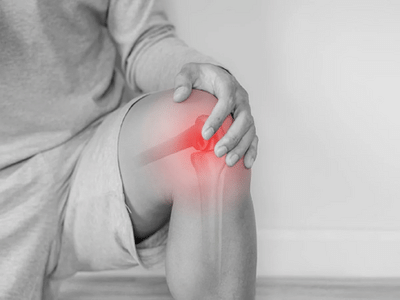
Rheumatoid Arthritis is more than just ordinary joint pain. It is a serious autoimmune condition that can gradually affect a person’s mobility, daily routine, and overall quality of life if left untreated.
In this condition, the body’s immune system mistakenly attacks healthy tissues inside the joints, leading to inflammation, swelling, stiffness, and persistent pain. Over time, rheumatoid arthritis can damage joints and make routine activities increasingly difficult.
Here’s a detailed look at the symptoms, causes, risk factors, and ways to manage rheumatoid arthritis effectively.
What Is Rheumatoid Arthritis?Rheumatoid arthritis (RA) is a chronic autoimmune disease in which the immune system attacks the lining of the joints.
This immune reaction causes:
Unlike regular age-related arthritis, rheumatoid arthritis can affect multiple joints at the same time and may also impact other parts of the body.
Common Early Symptoms of Rheumatoid ArthritisOne of the biggest challenges with rheumatoid arthritis is that its symptoms often develop gradually.
Common Signs Include:Many patients notice severe stiffness in the morning, especially after waking up. In some cases, this stiffness can continue for several hours.
Daily Activities Can Become DifficultAs inflammation increases, everyday tasks may become harder.
People with rheumatoid arthritis often struggle with:
If not managed properly, the condition may gradually affect joint structure and movement.
Women Face Higher Risk Than MenMedical experts say women are significantly more likely to develop rheumatoid arthritis than men.
Studies suggest women may face:
The disease can appear at almost any age, although it commonly develops during middle adulthood.
Family History May Increase RiskGenetics can also play a role in rheumatoid arthritis.
People with a family history of RA may have a higher likelihood of developing the condition themselves. However, lifestyle and environmental factors can also influence the risk.
Smoking Can Worsen Rheumatoid ArthritisHealth experts warn that smoking is one of the major lifestyle factors linked to rheumatoid arthritis.
Smoking may:
Doctors often strongly advise patients with rheumatoid arthritis to quit smoking as early as possible.
Exercise and Physiotherapy Can HelpAlthough joint pain may discourage movement, light physical activity is often considered beneficial for rheumatoid arthritis patients.
Helpful Activities May Include:Regular movement can help improve:
However, exercises should be performed under expert guidance, especially during severe flare-ups.
Early Diagnosis Is Extremely ImportantDoctors emphasize that early diagnosis and timely treatment can help slow joint damage and improve long-term quality of life.
People experiencing continuous joint stiffness or swelling should consult a healthcare professional instead of ignoring symptoms.
Treatment plans may include:
Experts also recommend adopting healthier daily habits to support joint function and reduce inflammation.
Lifestyle Tips Often Suggested Include:These habits may help support overall wellness alongside medical treatment.
DisclaimerThis article is intended for informational purposes only. It should not be considered medical advice, diagnosis, or treatment. Always consult a qualified healthcare professional for proper medical guidance regarding rheumatoid arthritis or any health condition.