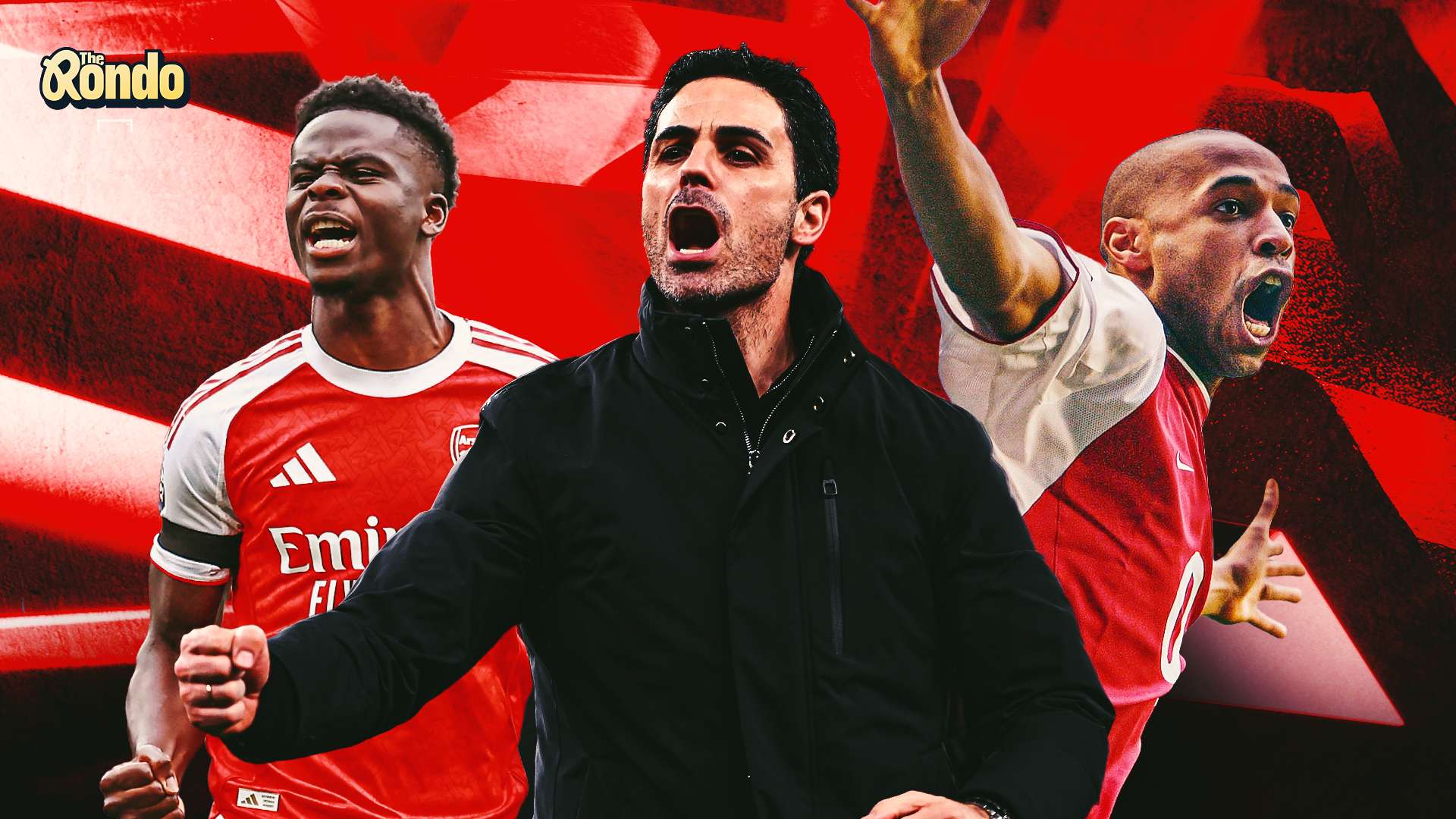
After years filled with frustration and near-misses, Arsenal have finally captured their first Premier League title in 22 years — a fitting conclusion to a long and challenging journey.
For the first time in over two decades, Arsenal fans can truly celebrate. The Emirates Stadium, which has been tense and full of anticipation for the past few seasons, now breathes relief. In recent years, the Gunners have battled not only their opponents but also the psychological weight of chasing a league title. The Premier League grind proved relentless, but Arsenal ultimately persevered and showed their resilience season after season.
With Manchester City failing to overcome Bournemouth on Tuesday, Arsenal sealed the title — their first since 2004. It may not have been the most glamorous campaign, but the triumph was richly deserved. Throughout the season, Arsenal consistently stood out as the most balanced and effective side. No matter how one analyses it, the results speak for themselves — the Gunners earned this.
However, the discussion now turns to legacy. In recent years, most title-winning squads have been defined by attacking flair supported by solid defences. Arsenal, however, flipped that script. The old saying that defence wins championships has rarely rung truer. This Arsenal side didn’t just win — they did it their own way, and deservedly so.
So, what does this mean for Arsenal’s legacy? How much of this victory vindicates Mikel Arteta? And where does the club go from here? Let’s break it down in this edition of The Rondo.
Are Arsenal deserved winners?
Tom Hindle: Absolutely. The evidence is clear — Arsenal found a winning formula. Critics may question their style, but the team mastered the art of defending well, scoring when needed, and holding onto leads. It may seem odd given the attacking talent at their disposal, but results matter most. The scoreboard doesn’t lie.
Alex Labidou: It wasn’t beautiful football, nor was it reminiscent of the Ian Wright or Thierry Henry era, but Mikel Arteta and his squad got the job done. For many younger fans, this marks their first taste of Arsenal glory beyond the stories of the 2004 Invincibles. Considering how much football — and the world — has evolved since then, this win feels long overdue and richly earned.
Ryan Tolmich: Deserved? Definitely. Arsenal were the most consistent team throughout the season. They may not be among the all-time greats, but they proved to be the toughest and most enduring. That endurance under pressure is a quality of champions. With this win, they finally silenced the ‘bottlers’ narrative once and for all.
What does this mean for Mikel Arteta? Is this vindication?
TH: This is monumental for Arteta. When he took charge, Arsenal were struggling, and he had no prior first-team managerial experience — though learning under Pep Guardiola certainly helped. He deserves far more credit for his tactical adaptability and problem-solving. After being edged out by City a few years ago, he approached this season as a battle of endurance, and it paid off. Yes, his motivational tactics — the olive tree, the lightbulb, the offbeat philosophy — may seem unusual, but they clearly contributed to his success. Hats off to him.
AL: The phrase “trust the process” fits perfectly here. Arteta’s journey mirrors the patience once shown to managers like David Moyes or Jose Mourinho in their early successes. While he learned from Guardiola, Arteta’s approach was more pragmatic than aesthetic — and it worked. Arsenal’s previous attempts to play attractive football rarely brought silverware; this time, substance prevailed over style.
Credit is also due to Josh and Stan Kroenke for showing faith in their manager and leadership team. Their patience has paid off across their sporting franchises, with multiple titles in recent years. Perhaps the Colorado Rapids might be next — time will tell.
RT: Undoubtedly vindication. Arteta was under pressure to deliver, especially when results wobbled in spring. He steadied the squad, captured a long-awaited title, and has now put Arsenal in position to chase the Champions League — the crown jewel they crave most. Regardless of what happens against PSG, he’s already achieved something historic.
Is it fair to criticise their playing style? Or is this just how you win?
TH: Football is, at its core, entertainment. So yes, fans are within their rights to feel underwhelmed at times. The modern game has conditioned us to expect attractive, fluid football — the kind played by Guardiola’s City, Klopp’s Liverpool, or even Barcelona in their prime. Arsenal didn’t always offer that spectacle, but after years of near-misses, winning was the only thing that mattered. Ironically, many fans probably didn’t even enjoy watching their own team this season — until now.
AL: There’s a difference between how you want to play and what actually works. Arteta deserves credit for embracing his identity rather than forcing a style that didn’t suit his players. Despite his Spanish roots and influences from Wenger and Guardiola, his own playing career as a tough midfielder at Everton shows where his true instincts lie. That mentality is reflected in this team.
RT: Fans of other clubs might critique it, but Arsenal supporters won’t care. No one in North London will recall this season as dull — only as the year they reclaimed the title. NBA veteran Brian Scalabrine once joked that while he was a benchwarmer during his championship run, in 20 years he’d tell people he started, and in 50 he’d say he was the star. That’s how trophies work — they only get shinier with time.
How does this side compare to the 2004 Invincibles?
TH: They’re not close. The Invincibles remain one of the top three Premier League teams ever, perhaps even the greatest. This group still has a long way to go to reach that level.
AL: It’s a tough comparison. The Invincibles were iconic and far more entertaining, but this 2026 team may actually be stronger, given how much tougher the Premier League has become. Back in 2004, Arsène Wenger’s philosophies were revolutionary, and English football was still evolving. Today’s Premier League is a global powerhouse, attracting top talent and elite managers. By that measure, this could be Arsenal’s best-ever side.
RT: The comparison is like measuring any modern player against Thierry Henry — levels exist. The Invincibles were transcendent, remembered beyond club allegiances. This current team is outstanding, but their story will likely remain within Arsenal folklore rather than football history at large. The Invincibles changed the game; this team restored belief.
Where does this leave Arsenal going into the Champions League final?
TH: This victory will surely boost belief and ease some pressure. Arteta’s standards remain sky-high, so complacency isn’t an issue. Still, PSG look the stronger side on paper.
AL: The Champions League feels like a bonus, but Arsenal could be peaking at the perfect time. While PSG have dazzled in recent seasons, they’ve lacked real domestic competition. Arsenal, by contrast, have been sharpened by the Premier League grind. With a fully fit squad, they could spring a surprise.
RT: Their position hasn’t changed much — they’ll need to be at their absolute best. PSG remain favourites, and even City’s draw won’t shift that. Arsenal can trouble them, but to win, they’ll need near perfection — and a bit of luck.
Can Arsenal go back-to-back and defend their title?
TH: Definitely possible. Their biggest rivals are in transition — City with a new manager, Liverpool inconsistent, Chelsea flawed, and Manchester United still finding their footing. Arsenal could easily mount another run next season.
AL: Probably not. While it’s early to predict, Manchester United look like the strongest challengers. Under Michael Carrick, they’ve quietly become one of England’s top sides. If they strengthen wisely, they could emulate Liverpool’s resurgence in 2024–25. Arsenal will face serious competition.
RT: It’ll be tough. The top of the table is incredibly competitive. Even without Guardiola, City will remain strong. Chelsea and United are improving, Liverpool won’t stay down for long, and clubs like Aston Villa, Newcastle, and Bournemouth continue to disrupt the hierarchy. Arsenal might be favourites, but betting against the field is never wise.