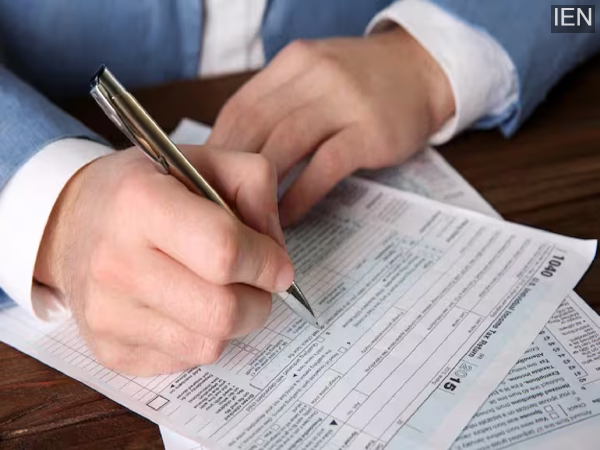
As the deadline for filing Income Tax Returns (ITR) approaches, tax experts are urging taxpayers not to wait until the last moment. The last date to file ITR for most salaried individuals and non-audit taxpayers is July 31, 2026. Experts warn that rushing to file returns at the final hour often leads to mistakes that may attract scrutiny from the Income Tax Department.
With the tax department increasingly using Artificial Intelligence (AI) and advanced data analytics to verify returns, even small discrepancies can now be detected more easily. Incorrect income details, fake deductions, mismatched TDS information, and unreported high-value transactions are among the top reasons why taxpayers may receive an income tax notice.
The Income Tax Department now cross-checks data from multiple sources including:
If any mismatch is found between your ITR and official financial records, the department may issue a notice seeking clarification.
Tax professionals say taxpayers should review every detail carefully before submitting returns to avoid penalties, scrutiny, and delays in refunds.
One of the most common reasons for receiving an income tax notice is reporting incorrect income.
Taxpayers must properly calculate all sources of income before filing returns. This includes:
Experts recommend verifying information using Form 16, AIS, and bank statements before filing returns.
If the income declared in the ITR does not match the information available with the Income Tax Department, the chances of receiving a notice increase significantly.
Many taxpayers claim deductions to reduce their tax liability under the old tax regime. However, claiming deductions without valid proof can become risky.
The Income Tax Department may ask taxpayers to provide supporting documents for deductions claimed under sections such as:
Experts advise taxpayers to claim only those deductions for which they are genuinely eligible and maintain proper documentation as evidence.
House Rent Allowance (HRA) claims help salaried employees reduce taxable income. However, fake HRA claims have become a major area of scrutiny for tax authorities.
To claim HRA benefits properly, taxpayers must provide:
Using fake rent receipts or incorrect landlord details may result in an income tax notice and further investigation.
Mismatch in TDS details is another common issue that may trigger notices.
Sometimes employers deduct TDS but fail to deposit it properly or file incorrect returns. As a result, the TDS shown in Form 16 may not match the department’s records.
Before filing ITR, taxpayers should carefully verify:
If any mismatch is found, employees should immediately contact their employer or deductor to get corrections made.
The Income Tax Department closely monitors high-value financial transactions. Failing to disclose such transactions in ITR can invite scrutiny.
Some major transactions that taxpayers should report include:
The department receives transaction details directly from banks and financial institutions, making it easier to identify unreported activities.
Tax experts say the department’s increasing use of AI-powered systems has made return verification more accurate and faster than before.
Advanced technology now helps authorities detect:
This means taxpayers must be extra cautious while filing returns this year.
Experts recommend following these simple steps while filing ITR:
Tax consultants also warn that late filing increases the chances of mistakes and penalties. Apart from notices, delayed filing may lead to:
Taxpayers are therefore advised to complete their ITR filing process early and carefully to avoid unnecessary complications later.