Hyderabad: A new study led by scientists from the Hyderabad-based Indian Council of Medical Research -National Institute of Nutrition (ICMR-NIN) has highlighted a concerning association between frequent consumption of ultra-processed foods (UPFs) and elevated blood pressure among urban young adults in Hyderabad.
The findings revealed that students with higher intake of ultra-processed foods rich in fat and salt had nearly three times higher odds of elevated blood pressure compared to those with lower intake.
The paper titled “Ultra-Processed Food Consumption Patterns and Their Association with Blood Pressure Among Young Adults: A Cross-Sectional Study,” examined the dietary habits and blood pressure profiles among 311 undergraduate students aged 18–24 years from different colleges in Hyderabad.

The study found that 12.5% of participants already had elevated levels of blood pressure (≥140/90 mmHg), signalling an emerging cardiovascular risk among young adults.
The researchers used a structured food frequency questionnaire based on the NOVA food classification system to assess consumption patterns of 24 commonly consumed ultra-processed foods. Blood pressure was measured using validated standardized procedures, and the analysis accounted for socio-demographic factors including age, sex, residence, and family income.
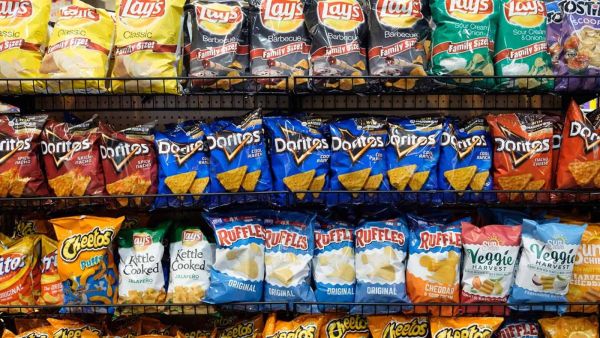
Commonly consumed ultra-processed foods included biscuits, chocolates, packaged savoury snacks, bread products, sugary beverages, and instant foods for taste, convenience, affordability, and easy availability were identified as the primary drivers of consumption.
Importantly, students with higher consumption of high-fat and high-salt ultra-processed foods had nearly three times higher odds of having an elevated blood pressure, when compared to those with lower intake, even after adjusting the socio-demographic factors.
The full paper is available at: https:#
“The growing dependence on packaged and convenience foods among urban youth warrants public health attention. ICMR-NIN emphasize the need for targeted interventions in colleges and universities to promote healthier food choices. Policies that encourage access to nutritious foods and improve awareness about the health risks associated with excessive ultra-processed food consumption are essential,” stated Dr Karthikeyan S and Dr Samarasimha Reddy, the lead authors of the paper which was recently published in the journal Nutrients.
The study adds to the growing global evidence linking ultra-processed food consumption with hypertension and other non-communicable diseases. The study underscores the same in the context of urban Indian young adults drawn from Hyderabad city, highlighting the emerging risks associated with changing dietary patterns.
Dr Bharati Kulkarni, Director of ICMR-NIN, said, “India is witnessing a rapid nutrition transition, particularly among adolescents and young adults. The findings from this study are an important reminder that dietary choices made early in life can significantly influence future cardiovascular health. There is an urgent need to create healthier food environments and strengthen nutrition literacy among young people.”