Test Cricket Rule Changes: The International Cricket Council (ICC) could soon bring in several major changes across international cricket, with new proposals currently under discussion ahead of the board meeting scheduled in Ahmedabad on May 30. From allowing head coaches onto the field during drinks breaks to reducing innings intervals in T20Is and even introducing pink balls in regular Test matches under special circumstances, the ICC, as per a report by Cricbuzz, is considering multiple updates to playing conditions across formats.
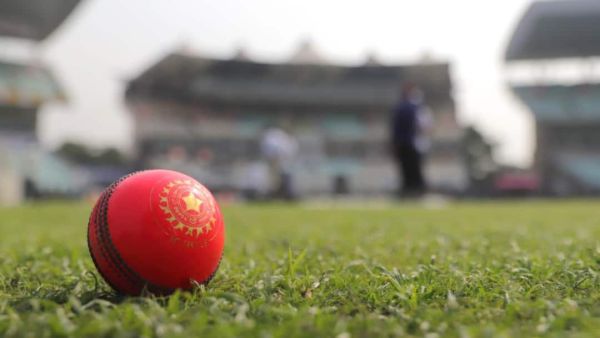
Perhaps the biggest talking point is around Test cricket. The ICC is reportedly considering allowing teams to switch from a red ball to a pink ball during a regular Test if bad weather delays play and both teams agree to continue under lights.
The proposal would only happen with mutual consent before the series begins. While the finer details are still being worked out, the rule is expected to come into effect from October 1 if approved.
The discussions were also part of the ICC Chief Executives Committee meeting held virtually this week, with Sourav Ganguly among those involved. All eyes are now on the ICC Board meeting later this month.
One of the most talked-about proposals is allowing head coaches to enter the field during drinks breaks in ODIs. At present, only substitute players are permitted to come onto the ground with drinks.
If the rule gets approved, coaches will also be able to directly speak with players during those scheduled breaks.
This already happens in T20 Internationals for tactical discussions, and now the ICC appears ready to extend that flexibility to the 50-over format as well.
Another key proposal could impact T20Is. The ICC is considering reducing the innings break from 20 minutes to 15 minutes. If approved, teams will have less time between innings to reset, plan and prepare for the chase or bowling innings.
It may seem like a small change, but in a fast-paced format like T20 cricket, even five minutes can make a difference.
The ICC is also planning stricter checks on bowlers with questionable actions.
Under the proposal, on-field umpires may get access to HawkEye technology during matches to monitor illegal bowling actions more closely.
The exact process is still unclear, but the move signals a stronger push toward keeping bowling actions under tighter watch.