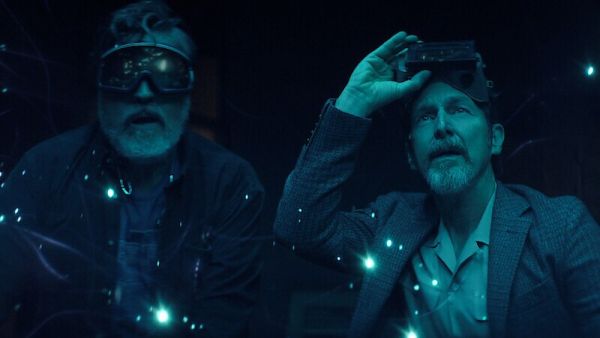

It’s been six months since the world has barely moved on from the upside-down , when the Duffer Brothers poured their signature fervour into yet another Netflix project – The Boroughs. This time, though, they’ve traded teenage bikes and flickering Christmas lights for walking sticks, quiet regrets, and the soft glow of retirement village lamps in New Mexico.
The series opens with an evening shattered in an instant. An older woman named Grace is snatched away without warning by a creature that looks like a nightmare: part spider, part human.
No dramatic music swells at first. Just sudden, skin-prickling dread that lingers. That opening hook grabs you right away, much like the tense first few minutes of a good thriller we catch on a Friday night stream after a long week.
It sets up The Boroughs not as a mere monster chase but as something deeper – a story about ageing, loss, and finding purpose when life feels almost over.
At its heart is Sam Cooper, portrayed with intensity by Alfred Molina. Still reeling from watching his wife Lily die in his arms five months earlier, Sam arrives at the dream house they had planned together. But there is no fresh start here. The place feels like a cruel reminder. He argues with the village owner to break the contract, resists every friendly wave from neighbours, and carries his grief like an invisible weight.
Then the same creature strikes again, pulling him into an investigation he never wanted. The show, created by Jeffrey Addiss and Will Matthews with the Duffer Brothers executive producing, flips the usual script cleverly. No young heroes on bikes. Instead, seniors take centre stage, their fears of fading health and being overlooked woven tightly into the mystery.
What follows is part creature feature, part reluctant friendship tale. But, be ready for a really slow start. The sci-fi drama takes its sweet time to get there.
Sam slowly opens up to a lively group of residents who form their own retirement version of a Scooby gang. Bill Pullman brings that genuine warmth as Jack, the optimistic neighbour who keeps knocking on Sam’s door with coffee and simple kindness. Denis O’Hare’s Wally Baker steals scenes with his blunt honesty, casually mentioning his stage-four prostate cancer as if discussing the weather. It lands with dark humour that feels real, not forced.
Geena Davis plays Renee with sharp, world-weary energy – a former band manager still untangling the financial mess left by her ex-husband. Clarke Peters adds easy, laid-back charm as Art, the weed-smoking hippy who offers perspective with a smile. And Alfre Woodard gives Judy Daniels, the retired journalist, a steady, intelligent presence that holds the group together.
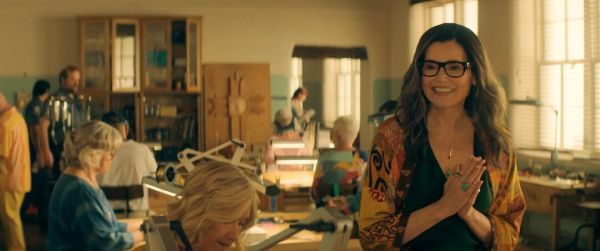
Their interactions sparkle. One evening, gathering in Sam’s living room, where they share snacks, wild theories, and hidden worries, feels warm and lived-in. It is like those long Sunday brunches in elite suburban circles here in India, where friends move beyond polite talk into real conversations about life’s messier sides.
Even the running joke about residents being banned from the community centre after an orgy adds cheeky delight. These are not cardboard elders. They have histories, regrets, and laughs that make you care.
The screenplay balances tones beautifully, mixing short, sharp scares with longer, reflective stretches. Sam’s flashbacks to Lily (his late wife) start simple but grow heavier, tying directly into the larger plot in surprising ways. There is one quiet scene where he stands alone in their half-empty house, the weight of absence pressing down. No big monologue.
Just silence and small gestures that convey deep sorrow. It hits emotionally, much like the understated family strains in Hindi dramas, where caring for ageing parents reveals layers of love and frustration. You feel Sam’s ache without the show ever tipping into melodrama.
Pacing moves deliberately, at the unhurried rhythm of its inhabitants. Some might find it slow after fast-paced action dramas, but that patience pays off.
It lets the world of The Boroughs breathe – the daily classes, small shops, and unwritten social codes that define village life. The looming presence of The Manor, the care facility for those needing more support, adds another layer.
The subplot around dementia patients there is handled with real empathy. One moment, when a family member casually dismisses an elder’s confusion, stays with you longer than any jump scare. It captures a truth many of us in suburban India know too well – elders praised in theory, often sidelined in practice. The show never mocks these vulnerabilities. It understands the contradiction and treats it with respect.
The background music enhances everything without overpowering. Subtle strings and atmospheric tones rise during emotional beats, creating tension that feels both eerie and tender. It supports the performances rather than stealing focus. The creature itself looks properly unnerving when it appears, though the series reveals too much too early. A bit more restraint, like in Jaws, could have built even sharper dread. Still, these are small notes in a show that gets the bigger picture right.
Molina anchors the entire series. His portrayal carries genuine conviction – with grief, with growing determination – as Sam finds purpose again through this odd group. You root for him, feeling the mix of anger, sadness, and hope. The ensemble lifts it further, making conversations as engaging as the suspense. There is humour – witty one-liners that make you chuckle – and a heart that sneaks up quietly during group scenes where laughter fades into shared vulnerability.
The Boroughs is a monster mystery with honest talk on ageing and loss. It wears its influences openly – echoes of Cocoon and Spielberg adventures – yet carves its own space through feeling and sharp writing.
For us juggling high-pressure careers and responsibilities towards ageing parents back home, it offers both thrills and a gentle pause for thought. Funny at times, moving in quiet bursts, never preachy. It may not rush, but like a well-crafted long weekend film, it rewards your time.
The creatures may chase them through the night, but it is the people running – flawed, resilient, fully human – that stay with you. Settle in on a quiet evening. You might just find it lingers in the best way.