
Listen to this article in summarized format
Loading...
××
Subscribe to

Unlock AI Briefing and Premium Content
New Year Offer 24 Hours Left
Subscribe NowAlready a member? Sign In
What's Included
- Exclusive Stories
- Daily ePaper Access
- Smart Market Tools
- Curated Investment Ideas
- Ad-lite Experience
Subscription

Have you ever met someone who is incredibly talented at their job but struggles to explain things to others? Or perhaps you have tried teaching a skill you know well, only to realize that doing something and teaching it are completely different challenges.
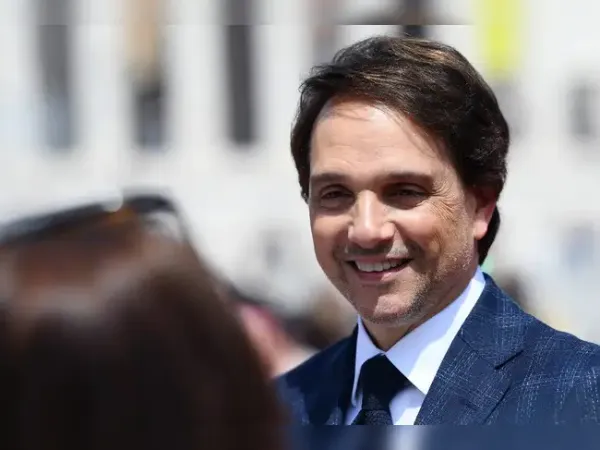
Many people assume experience automatically makes someone a good mentor, coach, or teacher. But according to The Karate Kid star Ralph Macchio, real teaching requires something deeper than just personal success or technical knowledge.
Ralph Macchio's quote for the Day: “Just because you have experience driving doesn't necessarily mean you have experience teaching how to drive.”
The quote highlights an important truth about communication, leadership, and learning. It reminds people that expertise alone is not enough when it comes to guiding others. Teaching requires patience, empathy, understanding, and the ability to break down knowledge in a way others can understand.
Also Read: Why some people pretend to be angrier than they actually are? Scottish DJ Calvin Harris says, ‘I'm not an angry person, but I do sometimes like playing with the perception of anger…’
It is no wonder that as people who are acquiring new skills every day, they are expected to guide, train, and mentor others, whether at work, at home, in schools, or online. Yet many struggle with the gap between knowing something personally and teaching it effectively.
Ralph Macchio’s quote feels especially relevant in modern workplaces where experienced professionals are often promoted into leadership roles without learning how to communicate or mentor properly. The quote also connects with parenting, coaching, education, and even social media culture, where expertise is often mistaken for teaching ability.
At a deeper level, the quote suggests that real teaching is a separate skill. Someone may know how to solve problems, perform under pressure, or master a craft, but helping another person learn requires clarity and emotional intelligence.
For example, a great athlete may not automatically become a great coach. A successful entrepreneur may struggle to explain their instincts to beginners. Even in families, parents sometimes find it difficult to teach lessons they themselves learned through experience.
The quote also encourages humility. It reminds people that being knowledgeable does not mean they automatically understand how others learn. Teaching requires listening, adapting, and understanding different perspectives rather than simply repeating instructions.
In many ways, the quote is about patience and connection. People often remember teachers not because they were the smartest people in the room, but because they made learning feel possible.
Born on November 4, 1961, Ralph George Macchio is an American actor, producer, director, author, businessman, and entrepreneur best known for playing Daniel LaRusso in The Karate Kid and its sequel franchise. Over the years, the role made him one of the most recognizable faces in pop culture and introduced him to generations of fans.
Macchio also became known for his performances in My Cousin Vinny, where he played Billy Gambini, and The Outsiders, in which he portrayed Johnny Cade. Television audiences additionally recognized him for his role in the comedy-drama Eight Is Enough and for competing on Dancing with the Stars.
In recent years, Macchio returned to global attention through Cobra Kai, which revived the legacy of The Karate Kid for a new generation while exploring themes of mentorship, rivalry, discipline, and personal growth.
Ralph Macchio’s legacy extends far beyond nostalgic film roles. Through characters like Daniel LaRusso, he became associated with perseverance, self-discipline, resilience, and personal growth. His performances often reflected ordinary individuals learning how to overcome fear, insecurity, and adversity through guidance and hard work.
That is one reason his quote about teaching carries weight today. Much of Macchio’s career, especially through The Karate Kid and Cobra Kai, has revolved around the idea that mentorship is about more than skill. It is about understanding people, earning trust, and helping others grow with patience and balance.
Many people assume experience automatically makes someone a good mentor, coach, or teacher. But according to The Karate Kid star Ralph Macchio, real teaching requires something deeper than just personal success or technical knowledge.
Ralph Macchio's quote for the Day: “Just because you have experience driving doesn't necessarily mean you have experience teaching how to drive.”
The quote highlights an important truth about communication, leadership, and learning. It reminds people that expertise alone is not enough when it comes to guiding others. Teaching requires patience, empathy, understanding, and the ability to break down knowledge in a way others can understand.
Also Read: Why some people pretend to be angrier than they actually are? Scottish DJ Calvin Harris says, ‘I'm not an angry person, but I do sometimes like playing with the perception of anger…’
Why Ralph Macchio’s quote on learning and mentorship matters today
It is no wonder that as people who are acquiring new skills every day, they are expected to guide, train, and mentor others, whether at work, at home, in schools, or online. Yet many struggle with the gap between knowing something personally and teaching it effectively.
Ralph Macchio’s quote feels especially relevant in modern workplaces where experienced professionals are often promoted into leadership roles without learning how to communicate or mentor properly. The quote also connects with parenting, coaching, education, and even social media culture, where expertise is often mistaken for teaching ability.
What Ralph Macchio’s quote means in real life
At a deeper level, the quote suggests that real teaching is a separate skill. Someone may know how to solve problems, perform under pressure, or master a craft, but helping another person learn requires clarity and emotional intelligence.
For example, a great athlete may not automatically become a great coach. A successful entrepreneur may struggle to explain their instincts to beginners. Even in families, parents sometimes find it difficult to teach lessons they themselves learned through experience.
The quote also encourages humility. It reminds people that being knowledgeable does not mean they automatically understand how others learn. Teaching requires listening, adapting, and understanding different perspectives rather than simply repeating instructions.
In many ways, the quote is about patience and connection. People often remember teachers not because they were the smartest people in the room, but because they made learning feel possible.
About Ralph Macchio
Born on November 4, 1961, Ralph George Macchio is an American actor, producer, director, author, businessman, and entrepreneur best known for playing Daniel LaRusso in The Karate Kid and its sequel franchise. Over the years, the role made him one of the most recognizable faces in pop culture and introduced him to generations of fans.
Macchio also became known for his performances in My Cousin Vinny, where he played Billy Gambini, and The Outsiders, in which he portrayed Johnny Cade. Television audiences additionally recognized him for his role in the comedy-drama Eight Is Enough and for competing on Dancing with the Stars.
In recent years, Macchio returned to global attention through Cobra Kai, which revived the legacy of The Karate Kid for a new generation while exploring themes of mentorship, rivalry, discipline, and personal growth.
Ralph Macchio's legacy
Ralph Macchio’s legacy extends far beyond nostalgic film roles. Through characters like Daniel LaRusso, he became associated with perseverance, self-discipline, resilience, and personal growth. His performances often reflected ordinary individuals learning how to overcome fear, insecurity, and adversity through guidance and hard work.
That is one reason his quote about teaching carries weight today. Much of Macchio’s career, especially through The Karate Kid and Cobra Kai, has revolved around the idea that mentorship is about more than skill. It is about understanding people, earning trust, and helping others grow with patience and balance.