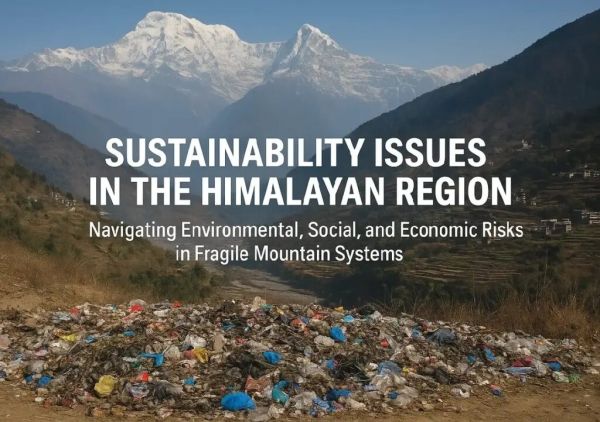
The rapid rise of affordable mass trekking in the Indian Himalayas is triggering serious environmental concerns, with experts warning that fragile mountain ecosystems are increasingly under pressure from overcrowding, littering, and habitat destruction.
The discussion has gained attention following reports highlighting the changing trekking culture across regions such as Uttarakhand and Ladakh, where once-quiet trails are now witnessing a sharp rise in tourist footfall.
In the early 2000s, trekkers often struggled to find reliable information about Himalayan trails. This inspired Bengaluru-based entrepreneur Arjun Majumdar to write The Roopkund Trek Guide in 2007, a move that eventually contributed to the creation of trekking company Indiahikes in 2008 alongside co-founder Sandhya UC.
One of the company’s earliest featured trails was the Roopkund trek, which was once visited mainly by local communities and pilgrims participating in the Nanda Devi Raj Jat Yatra.
According to Majumdar, locals soon began reporting increased visitor numbers and better livelihood opportunities due to trekking- tourism.
While trekking tourism has created jobs for local communities, environmentalists warn that uncontrolled tourism at low prices is causing long-term ecological damage. Plastic waste, discarded camping material, overcrowded trails, and water pollution are increasingly affecting Himalayan regions.
Experts also caution that frequent trekking activity can disturb wildlife habitats and damage delicate alpine vegetation that takes years to regenerate in high-altitude conditions.
Environmental groups and trekking organisers are now calling for stricter waste management practices, sustainable tourism policies, and responsible trekking behaviour.
Many experts believe balancing tourism growth with ecological preservation is essential to protect the Himalayas for future generations while continuing to support local economies dependent on adventure tourism#Himalayas #Trekking #Environment #SustainableTourism #Travel #newskarnataka