Summer often means bright sunny days, family vacations, and long hours spent in the pool or at the beach. While swimming is one of the best ways to stay cool and active during the hotter months, many people forget that their eyes also need protection in the water. Chlorine, salt, bacteria, and strong sunlight can all irritate the eyes and sometimes even lead to infections if proper care is ignored.
A few simple precautions can make a big difference in keeping your eyes comfortable and healthy during swimming sessions. Here are some easy yet important tips to follow.
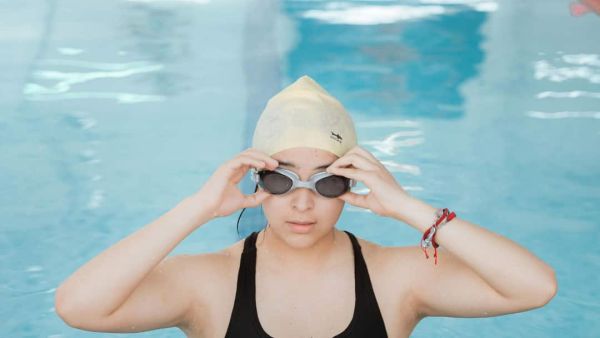
Swimming goggles are one of the easiest ways to protect your eyes in the water. They help block chlorine, salt, dirt, and other irritants that may cause redness or itching after a swim. Goggles also provide protection from harmful UV rays when swimming outdoors.
People who wear spectacles do not need to worry either, as prescription swimming goggles are easily available. They can improve visibility while also keeping the eyes protected.
Before stepping into a pool or natural water body, always pay attention to the condition of the water. Water that smells unpleasant, appears murky, or looks poorly maintained may contain bacteria or harmful contaminants.
Swimming in unclean water can increase the risk of eye irritation and infections. Choosing properly maintained pools or clean natural water sources is a safer option for both eye health and overall well-being.
Once you finish swimming, washing your face and eyes with fresh, clean water is an important step. This helps remove chlorine, salt, or other particles that may remain on the skin and around the eyes.
If your eyes continue to feel dry, itchy, or irritated afterward, preservative-free eye drops may help provide relief and soothe discomfort.
Frequent swimmers are often exposed to pool chemicals for long periods. Anti-chlorine eye drops may help reduce irritation caused by chlorine exposure and support better eye comfort after swimming.
However, it is always better to consult an eye specialist before using any new eye product, especially for people with sensitive eyes or those who wear contact lenses regularly.
Using the right type of goggles can improve both comfort and safety while swimming. People with weak eyesight may benefit from specially designed prescription goggles that offer clearer underwater vision.
For outdoor swimming, UV-protected goggles can also help shield the eyes from prolonged sun exposure. Proper eye protection may help reduce long-term damage caused by harmful ultraviolet rays.
Experts generally advise against swimming while wearing contact lenses. Water can trap bacteria between the lens and the eye, increasing the risk of irritation and infection.
If wearing contact lenses is unavoidable, daily disposable lenses may be a safer choice, provided they are discarded immediately after swimming. Any unusual redness, pain, or discomfort should never be ignored and should be checked by an eye specialist.
Swim caps are not only meant for professional swimmers. A properly fitted swim cap can help reduce the amount of water that reaches the face and eyes during swimming.
For outdoor swimmers, caps or hats with added coverage may also offer some protection from direct sunlight. While they may not completely block UV rays, they can still provide an extra layer of comfort during long hours in the sun.
[Disclaimer: The information provided in the article is intended for general informational purposes only. It is not a substitute for professional medical advice, diagnosis, or treatment. Always seek the advice of your physician or other qualified healthcare provider with any questions you may have regarding a medical condition.]