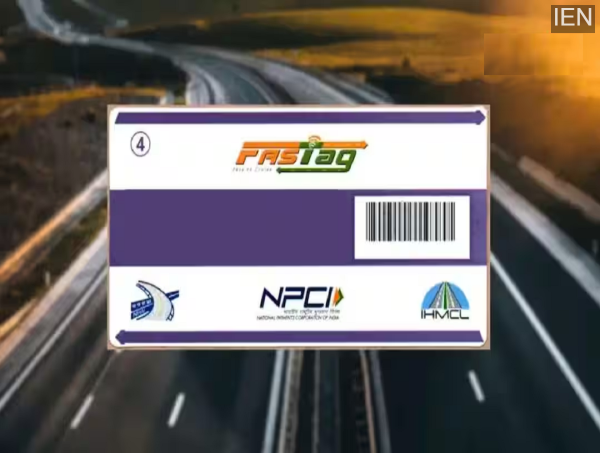
FASTag Replacement Process: If the FASTag installed on your vehicle fails to work at a toll plaza, do not ignore these three factors. This report provides information regarding the causes of a malfunctioning FASTag, as well as the rules for replacing it.
Toll Plazas and FASTag: If your vehicle is equipped with an active FASTag yet you are still stopped while passing through a toll plaza, the issue likely lies not with the toll system, but with your FASTag itself. According to the National Highways Authority of India (NHAI), a damaged FASTag prevents the toll plaza scanners from reading it correctly; consequently, you may face delays and other inconveniences at the toll plaza.
Discover the Real Reasons Behind a Malfunctioning FASTag
1. Chemicals and Friction
If you frequently scrub your vehicle's windshield vigorously—or make excessive use of strong chemical-based liquid cleaners—the internal Radio Frequency Identification (RFID) chip within the FASTag can become permanently damaged, leading to operational issues at toll plazas.
2. The Impact of Weather
Furthermore, weather conditions can have a significant impact on a FASTag. Prolonged exposure to intense sunlight, dust, dirt, and rain can cause the chip component of the FASTag to become severely damaged, thereby hindering its ability to establish a proper connection with the toll plaza scanners.
3. Aging FASTags
Finally, if you have been using the same FASTag for an extended period, its operational efficiency may eventually diminish completely. It is important to remember that a single FASTag is not intended for use over an indefinite number of years.
When and How Should You Replace Your FASTag?
According to the Authority's regulations, if your FASTag is more than five years old, you should replace it immediately without delay. Furthermore, if you are experiencing recurring scanning issues even with a new FASTag, replace it right away. By replacing a defective FASTag with a new one, you will be able to enjoy a hassle-free journey through toll plazas.