Ruben Amorim’s dramatic departure from Manchester United reportedly stemmed from a major clash over transfer policy, with the Portuguese manager furious after the club hierarchy turned down seven of his preferred signings. The list of players rejected by the board includes World Cup winners and rising teenage stars, shedding light on the internal tensions that led to his dismissal.
‘Manager’ demand highlights deep divisions
The aftermath of Amorim’s sacking continues to expose the strained relationship between the manager’s office and the board at Old Trafford. Although his post-match comments after the 1-1 draw with Leeds United on Sunday proved to be the breaking point, the roots of the fallout go back months to heated arguments over player recruitment. Following the Leeds game, Amorim’s frustration boiled over as he insisted he be addressed as the “manager” rather than the “head coach”, signalling his dissatisfaction with the club’s power structure.
According to reports, the 40-year-old felt undermined by sporting director Jason Wilcox and head of recruitment Christopher Vivell, who frequently dismissed his recommendations in favour of a data-based shortlist. Amorim wanted established, Premier League-proven players to bring stability, while the club prioritised younger players with future resale value. This fundamental difference in philosophy led to the rejection of seven players Amorim considered vital to his plans.
Proven experience vs ‘potential’ in goal
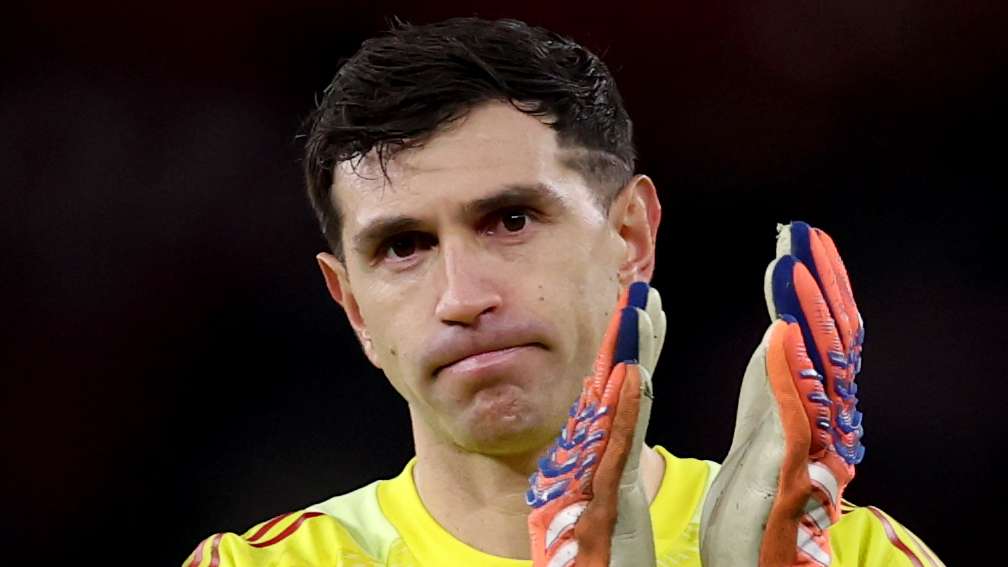
The first major disagreement came over the goalkeeping position. With Andre Onana and Altay Bayindir struggling for consistency, Amorim pushed for a proven name between the posts. His top choice was Emiliano Martinez, the Aston Villa and Argentina World Cup-winning goalkeeper.
It is understood that Martinez, 33, was willing to make the move and was waiting for United’s call on deadline day. The proposed deal, worth £40 million, was deemed reasonable by Amorim given Martinez’s pedigree and leadership. However, the INEOS-led management refused to approve the signing of a player in his 30s. Instead, they opted for 23-year-old Belgian keeper Senne Lammens, who had just one year of professional experience and cost £18 million. Although Lammens has impressed at times, the decision to bypass Amorim’s preferred target set a tense tone for the rest of the transfer window.
The striker call that failed to deliver
If the goalkeeper debate was contentious, the striker decision turned out to be disastrous. Amorim was adamant that Ollie Watkins from Aston Villa was the ideal fit for his system and the Premier League’s demands.
Instead, Christopher Vivell persuaded the board to invest £74 million in Benjamin Sesko, betting on his future potential. So far, that gamble has not paid off, with Sesko scoring only two goals in 17 appearances this season. Amorim was reportedly “vexed” by the choice, forced to rely on a developing forward while his preferred target continued to perform for Villa.
The ‘Ten Hag rule’ excludes Sporting quartet
Amorim’s frustrations intensified when United’s hierarchy refused to sign any players from his former club, Sporting CP. The Portuguese manager had identified four key names to help implement his tactical setup: Geovany Quenda, Ousmane Diomande, Salvador Blopa, and Morten Hjulmand.
However, United’s executives were wary of repeating the “Ajax syndrome” from Erik ten Hag’s era, when several former players joined but struggled to adapt to English football. As a result, all four Sporting targets were dismissed purely due to their past association with Amorim’s former team.
The biggest blow came with the rejection of 18-year-old star Geovany Quenda. The youngster was available and had already held talks with United, but scouts concluded his playing style was too similar to Amad’s. That hesitation allowed Chelsea to swoop in and agree a £42 million deal for Quenda, who will move to Stamford Bridge in the upcoming summer window.
Similarly, Amorim saw Morten Hjulmand as the perfect defensive midfielder, capable of anchoring the midfield without extensive adaptation. The board disagreed, preferring to wait for long-term targets earmarked for 2026. Defenders Diomande and Blopa were also ruled out, leaving Amorim frustrated with a backline he felt was ill-suited to his preferred back-three formation.
PSG treble winner overlooked for a cheaper option
The final player on Amorim’s wishlist was Paris Saint-Germain’s left-back Nuno Mendes, a domestic treble winner in France. Amorim considered Mendes the ideal fit for his left wing-back position, offering pace, technical quality, and attacking balance.
However, United’s leadership deemed the signing too complex and expensive to pursue aggressively. Instead, they brought in Patrick Dorgu from Lecce — a promising prospect, but one lacking the top-level experience and immediate impact of Mendes.
With Manchester United currently sitting fifth in the Premier League table but only four points clear of 14th place, Amorim’s exit has left interim manager Darren Fletcher with a squad lacking cohesion. The club’s preference for “potential” over proven experience has ultimately cost Amorim his job, leaving supporters wondering how different the season might have been if the board had backed his vision with signings like Martinez, Watkins, and Mendes.