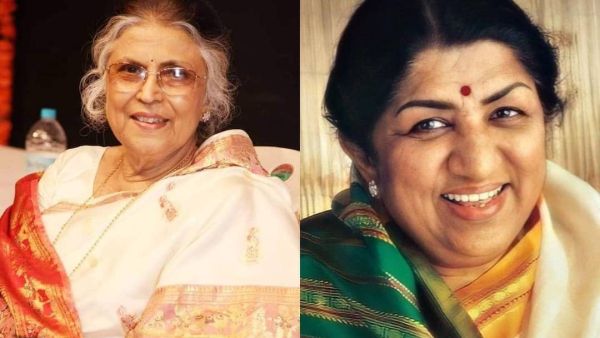
Veteran playback singer Suman Kalyanpur, known for timeless songs like Aajkal Tere Mere Pyar Ke Charche and Na Na Karte Pyar Tumhin Se, carved a unique place for herself in Hindi cinema despite constant comparisons with Lata Mangeshkar. But a major turning point in her career came during the 1960s, when a fallout between legendary singers Lata Mangeshkar and Mohammed Rafi unexpectedly opened new doors for her in Bollywood music.
According to The Indian Express, Suman Kalyanpur’s career saw a major rise after Lata Mangeshkar and Mohammed Rafi stopped singing together due to a disagreement over royalty issues in the 1960s. At the time, Lata was leading a campaign demanding royalties for singers. She, along with singers like Mukesh and Talat Mehmood, boycotted HMV, the biggest music label then, after producers were asked to bear royalty payments. However, Rafi continued working with the label, which reportedly upset Lata.
Speaking to Mumbai Mirror in 2009, Lata recalled, “Rafi sahab was instigated into opposing my campaign.” She also remembered an exchange at the Musicians’ Association meeting where Rafi jokingly called her a “maharani.” Lata responded, “Of course, I am a ‘maharani’. But why are you calling me that?”
The disagreement soon turned serious. In a 2012 interview with Subhash K Jha, Lata said, “I won’t sing with you,” after Rafi reportedly decided against recording with her. As producers still wanted Rafi’s popular duets, they began choosing Suman Kalyanpur, whose voice many felt sounded similar to Lata’s. She later delivered memorable songs with Rafi, including Aajkal Tere Mere Pyaar Ke Charche and Tumne Pukara Aur Hum Chale Aaye.
Suman’s breakthrough came in 1962 with Na Tum Hamen Jano, composed by SD Burman and sung with Hemant Kumar. The song was recorded at a time when Lata was not on speaking terms with Burman after a disagreement over a re-recording in 1958. Many listeners believed the song featured Lata’s voice, but it was actually Suman.
Despite being compared to Lata throughout her career, Suman never encouraged the comparison. In a 2022 interview with PTI, she said, “Everyone loved her songs, and she will be immortal,” while also describing Lata as a close friend.