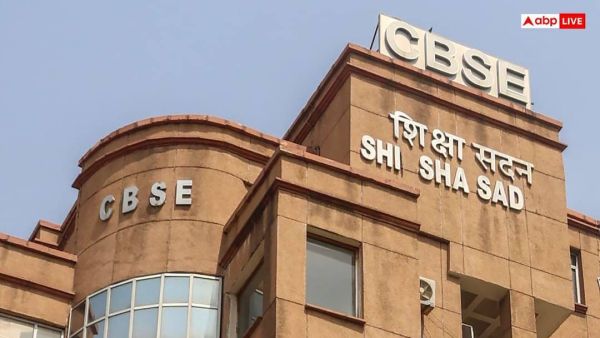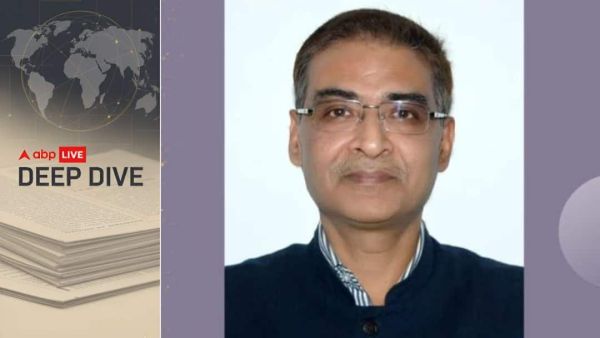
The Central government has transferred CBSE Chairperson Rahul Singh amid the controversy linked to the board’s On-Screen Marking (OSM) system.
Singh, a 1996-batch IAS officer from the Bihar cadre, had taken charge as Chairperson of the Central Board of Secondary Education (CBSE) in March 2024. His transfer was confirmed through an official notification issued by the Ministry of Education.
Before heading CBSE, Singh served as Additional Secretary in the Department of Personnel and Training (DoPT).
An engineer by training, he holds a BTech degree in Computer Science along with a postgraduate qualification in Public Policy and Management.
During his tenure at the Centre, he was also associated with assignments connected to India’s G20 and BRICS engagements.
Singh was appointed CBSE Chairperson by the Appointments Committee of the Cabinet in March 2024 as part of a broader bureaucratic reshuffle.
He succeeded Nidhi Chhibber, who later moved to NITI Aayog as Adviser.
In 2025, the Centre extended Singh’s tenure as CBSE Chairperson until November 2027. The extension was seen as an endorsement of his leadership at the board, which manages over 29,000 affiliated schools in India and abroad and conducts some of the country’s biggest school examinations.
Questions around Singh’s tenure emerged after the implementation of the On-Screen Marking (OSM) system.
The digital evaluation system was introduced as a major reform aimed at streamlining answer-sheet assessment and speeding up result processing.
However, the rollout soon attracted criticism from students, parents and teachers.
Concerns were raised over technical issues, access to evaluated answer sheets and the procurement process related to the OSM project.
As scrutiny over the OSM system intensified, the Centre ordered an inquiry into the procurement of OSM-related services.
Following the decision, both the CBSE Chairperson and the Board Secretary were transferred.
The development marks a major administrative intervention in CBSE at a time when the board’s examination and evaluation reforms are under increasing public attention.