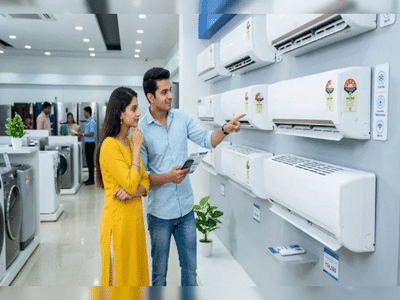
With temperatures soaring beyond 45°C in several parts of India, especially across northern regions, air conditioners have become more than just a luxury—they are now an essential appliance for maintaining comfort during the intense summer months. Whether you are planning to purchase a new AC or already have one installed at home, understanding proper maintenance and protection measures can help you maximize its efficiency and lifespan.
Many homeowners focus only on cooling performance and energy ratings when buying an air conditioner, but long-term performance depends heavily on how the unit is maintained after installation. Ignoring basic upkeep can reduce cooling efficiency, increase electricity bills, and lead to costly repairs.
Here are some important AC maintenance and usage tips that every homeowner should know.
1. Never Skip Scheduled AC ServicingRegular servicing is one of the most important aspects of maintaining an air conditioner. Over time, dust, dirt, and debris can accumulate inside the unit, affecting its ability to cool effectively.
When filters, coils, and internal components become dirty, the system has to work harder to achieve the desired temperature. This increased workload not only reduces efficiency but can also increase power consumption.
Benefits of Regular ServicingExperts generally recommend professional servicing at regular intervals, especially before the start of the summer season.
2. Poor Maintenance Can Damage Internal ComponentsMany people underestimate the impact of neglecting routine maintenance. When an air conditioner operates under excessive strain due to clogged filters or dirty coils, critical components may experience additional stress.
One of the most expensive components in an AC system is the compressor. If the system continuously works harder than necessary, the compressor may overheat or wear out prematurely.
Potential Consequences of Poor MaintenanceMaintaining the system properly can help avoid unnecessary repairs and improve long-term reliability.
3. Consider a Voltage Stabilizer for Non-Inverter ACsPower fluctuations are common in many areas, especially during peak summer months when electricity demand is high. Sudden voltage spikes or drops can affect the performance of electrical appliances, including air conditioners.
For non-inverter AC units, a voltage stabilizer can provide an additional layer of protection by regulating voltage levels before electricity reaches the appliance.
Why a Stabilizer Can Be UsefulWhile many modern inverter ACs come with built-in voltage protection features, it is still important to verify the operating voltage range specified by the manufacturer.
4. Protect Your AC From Electrical FluctuationsFrequent voltage variations can be harmful to electronic and electrical components inside an air conditioner. Components such as circuit boards, capacitors, sensors, and compressors can be affected if proper protection is not in place.
Unexpected electrical issues can result in costly repairs and prolonged downtime during the hottest months of the year.
Common Problems Caused by Voltage FluctuationsInstalling appropriate protection equipment and ensuring proper electrical wiring can help reduce these risks.
Additional Tips Before Buying a New Air ConditionerIf you are currently shopping for a new AC, consider these factors as well:
Choose the Right CapacityThe size of the room should determine the AC capacity. A unit that is too small may struggle to cool effectively, while an oversized unit may consume unnecessary energy.
Check Energy Efficiency RatingsHigher star-rated air conditioners generally consume less electricity and can help lower long-term operating costs.
Prefer Trusted Brands and Service NetworksReliable after-sales service and easy access to spare parts are important considerations when purchasing an air conditioner.
Ensure Proper InstallationEven the best AC can perform poorly if installation is not carried out correctly. Professional installation helps optimize cooling performance and efficiency.
Why Proper AC Care MattersAn air conditioner is a significant investment, and proper maintenance can protect that investment for years. Routine servicing, voltage protection, and responsible usage can help maintain cooling performance while minimizing repair expenses.
In addition to extending the life of the appliance, a well-maintained AC can improve indoor comfort, reduce electricity consumption, and provide cleaner air circulation.
Final ThoughtsWhether you are planning to buy a new air conditioner or maintain an existing one, paying attention to servicing schedules, electrical protection, and routine care is essential. Regular maintenance helps improve efficiency, protects critical components, and reduces the likelihood of expensive repairs.
By following these simple but effective practices, homeowners can ensure that their AC delivers reliable cooling performance throughout the summer while remaining energy-efficient and durable for years to come.