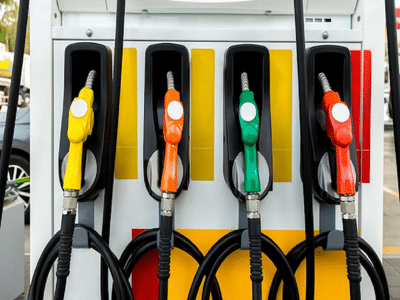
Oil marketing companies (OMCs) have released the latest petrol and diesel prices for June 4, 2026, continuing the daily practice of revising fuel rates every morning at 6 AM. Fuel prices play a crucial role in household budgets, transportation costs, and business operations, making them one of the most closely watched economic indicators in the country.
Today's rates show that while fuel prices have largely remained stable in many cities, minor variations continue to occur due to differences in state taxes, local levies, and transportation costs. The pricing mechanism is influenced by several factors, including global crude oil prices, currency exchange rates, and government taxation policies.
As international energy markets continue to witness fluctuations, consumers are advised to stay updated on the latest fuel prices in their respective cities.
Latest Petrol and Diesel Prices in Major CitiesHere are the updated fuel rates for June 4, 2026:
| New Delhi | ₹102.12 | ₹95.20 |
| Mumbai | ₹111.18 | ₹97.83 |
| Kolkata | ₹113.47 | ₹99.82 |
| Chennai | ₹107.77 | ₹99.55 |
| Gurugram | ₹102.77 | ₹95.44 |
| Noida | ₹102.12 | ₹95.56 |
| Bengaluru | ₹110.93 | ₹98.80 |
| Bhubaneswar | ₹109.92 | ₹100.92 |
| Chandigarh | ₹98.10 | ₹86.09 |
| Hyderabad | ₹115.69 | ₹103.82 |
| Jaipur | ₹112.66 | ₹97.78 |
| Lucknow | ₹102.05 | ₹95.55 |
| Patna | ₹113.35 | ₹99.36 |
| Thiruvananthapuram | ₹115.49 | ₹104.40 |
Petrol and diesel are essential fuels that directly affect transportation, logistics, agriculture, manufacturing, and household expenses. Even small changes in fuel rates can influence the prices of goods and services across the economy.
For daily commuters, commercial vehicle operators, and businesses, monitoring fuel prices has become an important part of financial planning.
Why Have Petrol and Diesel Prices Remained Relatively Stable?Fuel prices have shown relative stability since the tax reductions introduced by the central government and several state governments in 2022.
Although international crude oil prices continue to fluctuate due to geopolitical tensions, supply concerns, and changing demand patterns, domestic consumers have experienced fewer price revisions compared to previous years.
The combination of tax adjustments and government policy measures has helped cushion consumers from sharp price swings.
Factors That Determine Petrol and Diesel PricesSeveral key elements influence the final retail price paid by consumers.
1. Global Crude Oil PricesPetrol and diesel are refined from crude oil. When crude oil prices rise in international markets, fuel production becomes more expensive, often leading to higher retail prices.
2. Rupee-Dollar Exchange RateIndia imports a significant portion of its crude oil requirements. Since crude oil transactions are generally conducted in US dollars, a weaker rupee can increase import costs and push fuel prices higher.
3. Central and State TaxesTaxes constitute a major component of petrol and diesel prices. Since different states levy different taxes, fuel prices vary from city to city across the country.
4. Refining and Distribution CostsThe process of converting crude oil into usable fuels involves refining, storage, transportation, and distribution expenses. These costs are included in the final retail price.
5. Demand and Supply ConditionsSeasonal demand patterns, economic activity, and supply availability can also affect fuel pricing. Higher consumption levels often contribute to upward pressure on prices.
How to Check Fuel Prices Through SMSConsumers can easily check the latest fuel prices using mobile SMS services.
Indian Oil CustomersSend:
RSP
to 9224992249
Send:
RSP
to 9223112222
Send:
HP Price
to 9222201122
The latest fuel rates will be delivered directly to the registered mobile number.
Highest and Lowest Fuel Prices TodayAmong the major cities listed:
The variation highlights the impact of local taxation and regional pricing structures.
Final ThoughtsThe latest fuel prices released on June 4, 2026, indicate that petrol and diesel rates remain largely stable across most cities despite continued volatility in global crude oil markets. While international oil prices and currency movements continue to influence the energy sector, domestic consumers have so far been shielded from major fluctuations.
Motorists and businesses are encouraged to monitor daily price updates, as fuel rates remain subject to changes based on international market conditions, taxation policies, and economic developments.